finance
Charlottenburg Retailers Deploy AI, Experiential Concepts to Revive Shopping
As experiential retail and AI-driven services reshape shopping, Charlottenburg embraces new store concepts and AI integration to energize local commerce.
How we reported this
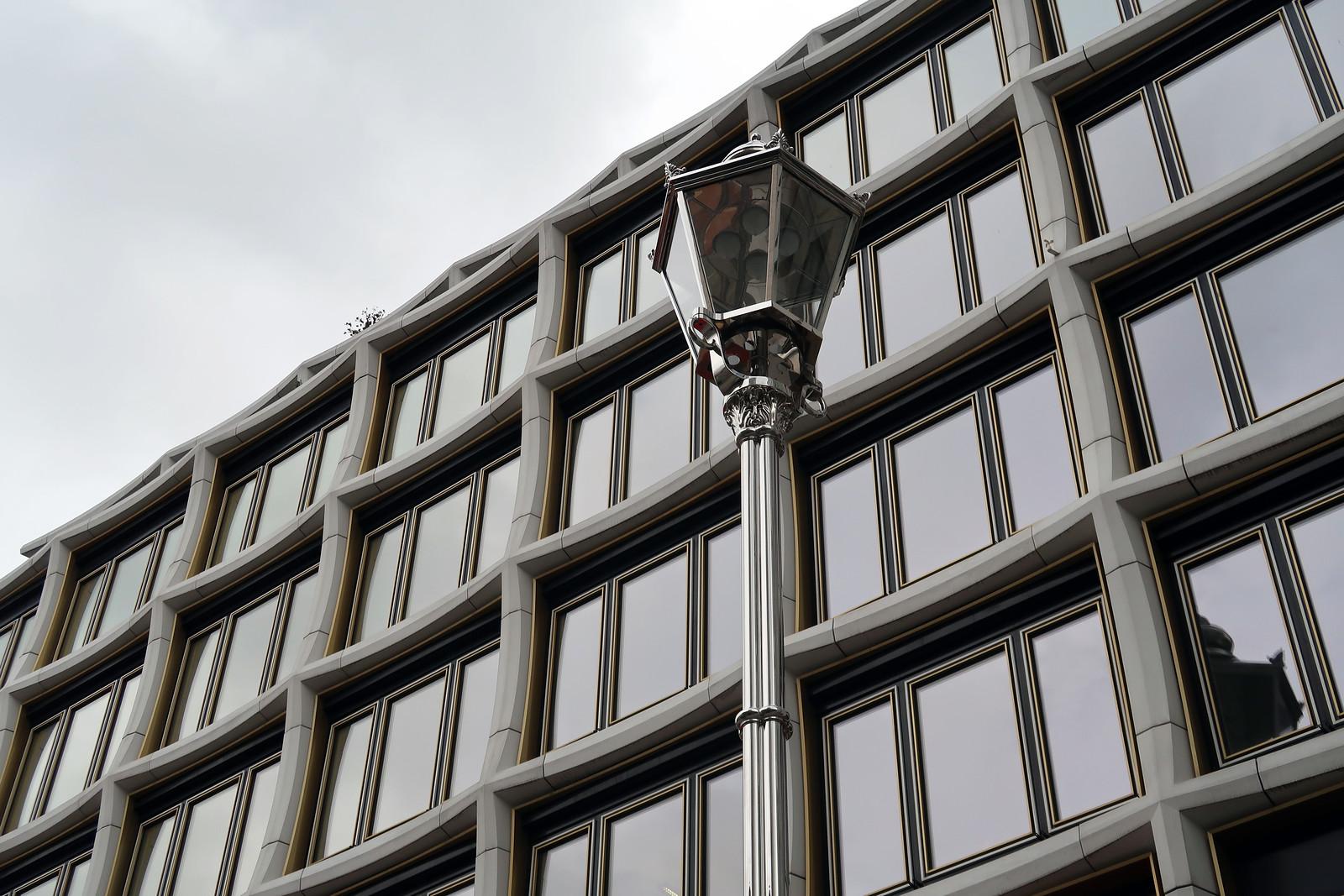
Retail in Charlottenburg is undergoing a transformation that aligns with broader global trends redefining consumer experiences and store operations. In 2026, industry shifts toward AI-powered personalization, immersive shopping environments, and hybrid retail-gastronomy models are creating new opportunities for businesses in the district, with some local players already capitalizing on these changes.
Why Retail Innovation Matters Now
The retail sector worldwide is seeing a resurgence in physical store visitation, reversing previous years’ declines. Shopping malls and retail spaces in key urban centres are increasingly becoming entertainment hubs. This shift supports a departure from traditional product-focused retail toward experience-led models often described as "moments over merchandise." This trend is exemplified by popular venues like Netflix House, which serve as interactive social and entertainment destinations rather than mere showrooms for merchandise, according to sources tracking retail trends globally in 2026.
Berlin’s Charlottenburg district is benefiting from this transformation's momentum, driven by its dense urban environment and its role as a nexus of AI development and retail innovation. The ongoing evolution comes as major brands such as Zara, IKEA, and M&S push a “Push for Posh” trend, unveiling premium and immersive store formats internationally to rekindle engagement with physical retail. These developments signal that physical shops-and by extension, Charlottenburg retailers-are repositioning themselves in an increasingly digitized economy with a focus on allure, novelty, and convenience.
Local Momentum: Charlottenburg on the Retail Frontline
Charlottenburg’s retail landscape is evolving in alignment with Germany’s broader embrace of "Handelsgastronomie," the fusion of retail and gastronomy that transforms stores into culinary destinations. This approach enriches physical locations with cultural and sensory experiences, drawing shoppers beyond transactional visits toward memorable stays. This innovation is complemented by widespread deployment of AI agents and digital avatars managing customer support and automated purchasing processes, providing seamless shopper assistance and boosting operational efficiency within local shops and enterprises.
Local businesses are also leveraging AI to enhance service delivery. For example, Context Studios, an AI agency based in Charlottenburg, develops bespoke AI agents and retrieval-augmented generation (RAG) systems that enable smarter customer interaction and responsive order management. AI-driven chatbots facilitating “Click and Collect” services have been reported to enhance order handling productivity significantly, addressing the district’s challenge of high labor costs. Additionally, healthcare practices in Charlottenburg implement AI to automate administrative workflows, exemplifying technology’s role in reducing operational overhead across sectors.
From an urban planning perspective, the introduction of mixed-use developments in Charlottenburg-such as the planned building at Wexstraße 16-18 featuring residential units with 1,240 sqm of retail space replacing a former grocery store-reflects a broader strategy to integrate residential life with dynamic, accessible retail and office spaces. These projects support the district’s commercial vitality while fostering local demand for innovative retail experiences.
Evidence of an Emerging Opportunity
National and global retail data reveal that 53% of consumers base purchases on generative AI recommendations, highlighting how AI-powered personalization drives buying decisions. Moreover, physical retail venues experienced increased foot traffic-rising by 1.8% in early 2025-signaling a rebound from prior declines and a renewed appetite for in-person shopping experiences. Retailers’ adoption of flexible leasing and short-term store formats enables swift responses to changing consumer patterns while blending online and offline channels into “phygital” experiences, a trend becoming evident across Charlottenburg’s mixed-use projects and local business models.
Major brands’ investment in premium and immersive retail formats also indicates a broader market attempt to attract consumers seeking differentiated shopping moments. The incorporation of retail gastronomy in German stores, including those in Charlottenburg, adds sensory richness to retail visits, setting a clear example for others in the district to follow.
Looking Ahead: What Retailers and Consumers Can Expect
The future of retail in Charlottenburg will likely be shaped by further integration of AI solutions and experience-led retail gastronomy. Retailers ought to invest in digital profiles, such as optimized Google Business listings, to ensure AI-driven recommendation systems highlight their offerings effectively. Continued flexible leasing arrangements can help brands test new retail concepts without long-term risk. Simultaneously, consumers can anticipate more engaging and personalized shopping opportunities that combine culinary experiences with seamless AI assistance.
Local authorities and developers are poised to support this evolution by advancing urban plans focused on mixed-use development, pedestrian connectivity along the Spree, and creative commercial spaces. As these factors converge, Charlottenburg is positioned to emerge as a prime example of how traditional retail sectors can successfully adapt to the digital age's demands, preserving community vibrancy while embracing cutting-edge innovation.
As the district's retail sector continues to pivot toward AI-enabled personalization and immersive experiences, Charlottenburg businesses are not only benefiting today but also laying the groundwork for sustainable competitive advantage amid changing consumer expectations.
This article is general information only and is not personal financial or investment advice. Consider your own circumstances and seek licensed professional advice before making financial decisions.
References Sourced but Not Limited to:
- kpmg.com · Key trends shaping retail in 2026
- nrf.com · 10 trends and predictions for retail in 2026
- capgemini.com · Retail trends 2026
- forbes.com · The five retail trends that will redefine the industry in 2026
- capgemini.com · Retail trends 2026
- echochamber.com · Global retail trends almanac 2026
- conzoom-solutions.messefrankfurt.com · Trends in retail
- forbes.com · The 5 biggest retail trends 2026
- thestorefront.com · Top 10 retail trends to look out for in 2026
- aiscalelabs.com · Berlin