culture
Charlottenburg's Food Scene Transforms: Currywurst Roots Meet Pan-Asian Flavors
From the historic roots of the Currywurst to the modern, diverse flavors of the pan-Asian food corridor, here is the state of the neighborhood’s food scene.
How we reported this
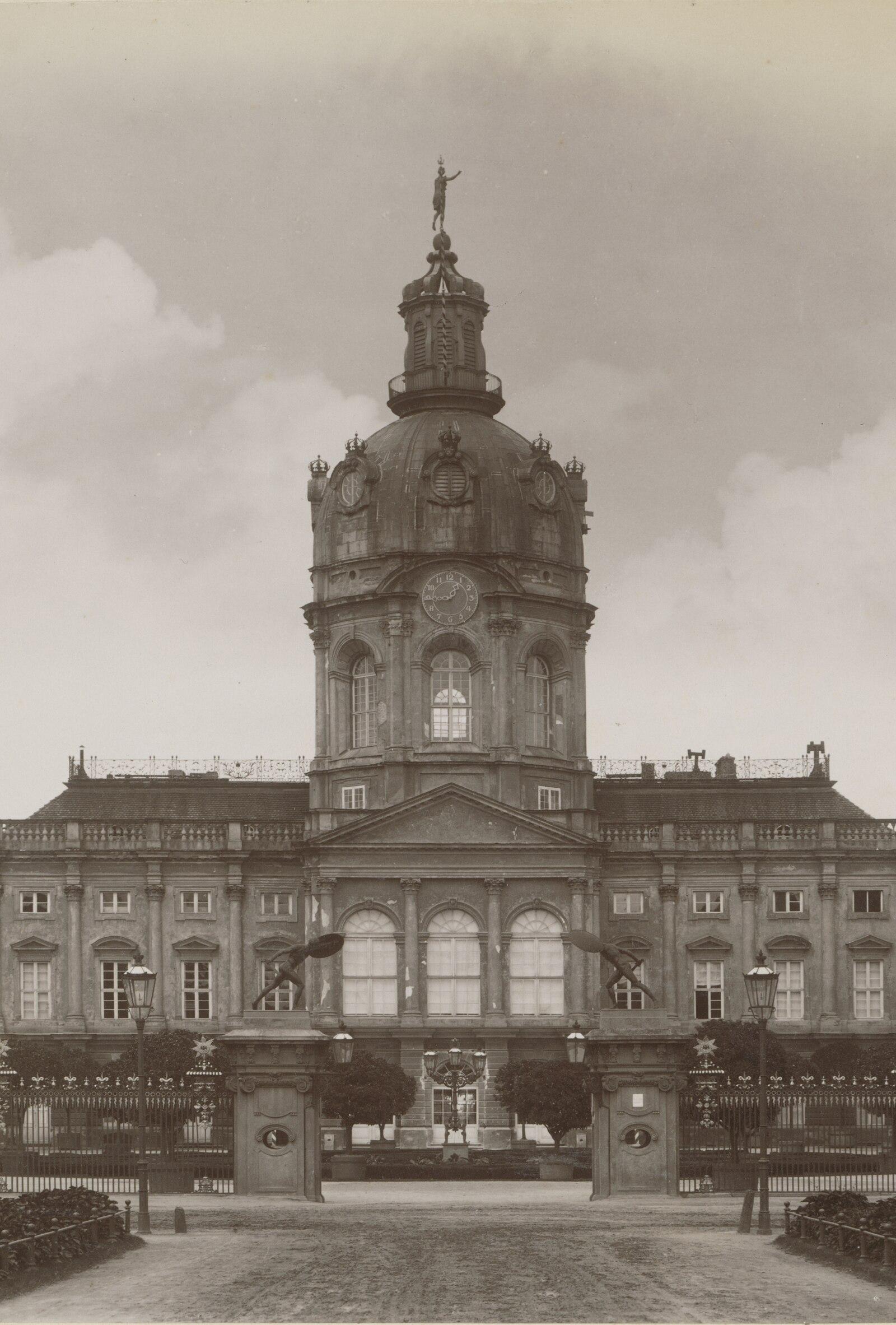
Charlottenburg maintains a distinct culinary identity, shaped by a complex history that bridges Prussian traditions and modern global influences. As a district that balances its regal past with a contemporary, cosmopolitan edge, its food culture is defined by specific zones that reflect its varied population. For residents and visitors alike, the neighborhood offers a snapshot of Berlin's history-from the invention of iconic street snacks to the establishment of corridors serving dedicated ethnic food communities.
The Legacy of Street Food
The culinary history of the area is indelibly linked to the invention of the Currywurst. In 1949, Herta Heuwer opened a snack stand on Königsbergstraße, where she first introduced the dish that would become an essential part of Berlin's food culture. This historical development underscores the district's long-standing connection to accessible, quick-service dining. Today, these traditional roots are complemented by the weekly markets held at Karl-August Platz. These Wochenmarkt gatherings serve as a focal point for the community, where stalls selling traditional German sausages and pretzels sit alongside a wide variety of international offerings, catering to a mix of native German residents and global immigrants.
The Pan-Asian Corridor of Kantstraße
Distinct from the broader street food scene, Kantstraße functions as a dense, specialized food corridor. This area emerged as a result of postwar migration and is characterized by a high concentration of Japanese, Korean, Vietnamese, and Chinese establishments. Unlike areas catering to transient tourism, this corridor serves the specific needs of Berlin’s Asian communities, providing authentic culinary options. The emergence of these businesses highlights the demographic shifts that have influenced the district's flavor profile over the decades.
Royal Traditions and Modern Fusion
The influence of history is also visible near Charlottenburg Palace, where the Prussian monarchy’s legacy persists in the form of refined food traditions. Royal banquets once heavily featured French-influenced cuisine, including game, fish, and elaborate pastries. This sophisticated heritage continues to inform the area's food culture, even as modern influences from Turkish, Latin, and Asian street foods integrate into the neighborhood. Together, these elements demonstrate a cosmopolitan character that is reflected in the district's ongoing culinary festivals and local markets. Those looking to explore this intersection of old and new will find that the district remains a hub where traditional German standards and global culinary influences coexist.