Politics
Federal Housing Shift Sends Pankow Rents Up 34% Since 2022
The government's new rental protection directive faces implementation hurdles in the city's tightest markets, where monthly costs have climbed 34 percent since 2022.
How we reported this
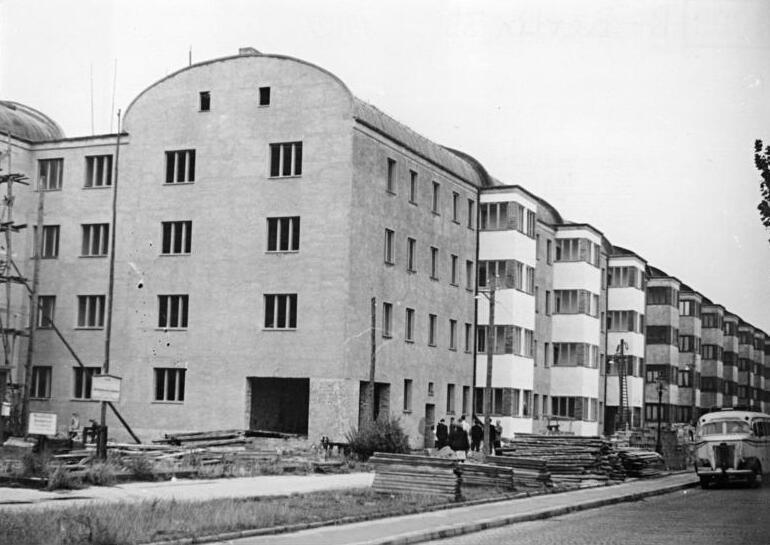
The federal housing ministry announced sweeping rent stabilization measures Wednesday that would cap annual increases at 3 percent for existing tenants across all metropolitan areas. The directive takes effect September 1, reshaping rules in Pankow's most expensive neighborhoods after nearly a decade of unregulated growth.
The timing matters. Rental prices here have outpaced wage growth for three consecutive years, with the average one-bedroom apartment in the Prenzlauer Berg district now commanding 1,890 euros monthly-up from 1,405 euros in early 2022. Young families and service workers have been pushed toward outer boroughs or commuter towns entirely. The announcement addresses what housing advocates describe as a crisis that's fractured the city's demographic makeup.
Implementation Challenges Emerge Quickly
But the actual mechanics of enforcement remain unclear. The ministry's statement provided no detail on how landlords would be audited or what penalties apply to violations. The Pankow Tenants' Rights Association, based on Schönhauser Allee, issued a statement Thursday questioning whether the city's understaffed housing inspectorate-currently managing 47,000 registered properties with a team of 23 inspectors-could realistically monitor compliance across 380,000 rental units.
The directive exempts newly constructed units for five years, a loophole that developers are already leveraging. Three major housing projects currently in planning stages along the Spree riverfront in Friedrichshain-Kreuzberg-totaling 1,240 apartments-would be grandfathered from the cap entirely. Real estate firms have quietly accelerated completion timelines to maximize their exemption window.
What Changes, What Doesn't
Existing tenants gain immediate protection. Anyone in a lease signed before September 1 cannot face an increase exceeding 3 percent annually, regardless of what their contract permits. Landlords must notify tenants of increases 60 days in advance. The rule applies to subsidized housing, market-rate apartments, and privately owned buildings without exception.
What the announcement doesn't address: furnished short-term rentals, which have exploded in Pankow's central neighborhoods. Platform-based leases lasting less than three months remain unregulated, meaning tourists and corporate renters still drive up neighborhood acquisition costs. The Charlottenburg Housing Authority estimates that short-term rentals consume roughly 12 percent of the available stock in high-demand areas like Kreuzberg, effectively removing supply from the long-term market.
Renters should act immediately. The directive requires written notice of any rent increase before August 31 to take effect under the new cap structure. Landlords can still raise rents without restriction one final time if they file paperwork by next Friday. The Pankow Community Legal Services office on Danziger Strasse has already scheduled extra evening hours next week to help tenants review lease terms and document previous increases.
The federal government allocated 340 million euros for enforcement and tenant education campaigns, but allocated none of that to individual cities. Pankow's city council will meet Monday to discuss requesting emergency staff additions to the housing inspectorate. Without additional auditors, compliance will depend largely on tenant complaints-a system that has historically failed renters without legal resources or language fluency.