news
Charlottenburg Shifts to Multimodal Transport Amid Stadtbahn Closure and Road Strain
District planners in Charlottenburg push bike networks and S-Bahn diversions while a new federal act speeds approvals, a pattern emerging in cities managing similar rail and road upgrades.
How we reported this
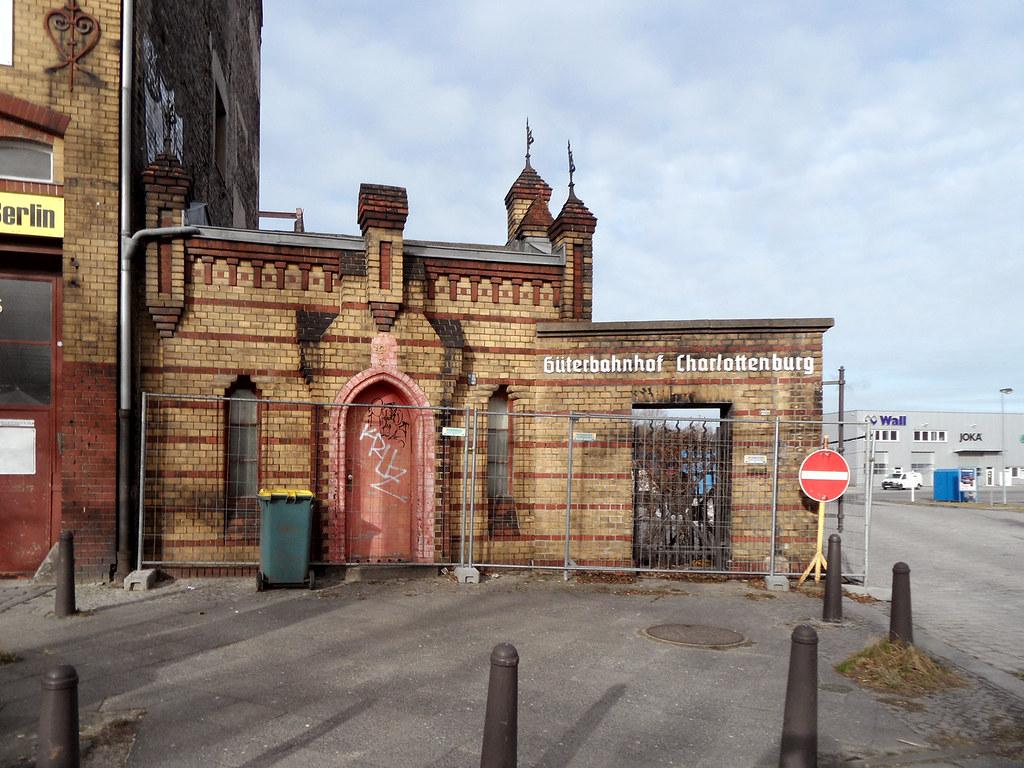
The Berlin-Stadtbahn rail corridor between Charlottenburg and Ostbahnhof remains closed to regional and long-distance traffic from June 14, 2026, through December 2026, diverting passengers onto local S-Bahn lines. Major road closures across Berlin rose 47.6 percent from April to May 2026 because of structural failures and ongoing construction zones that limit access into Charlottenburg.
The closures coincide with the mid-2026 start of Germany’s Infrastructure Future Act, passed by the Federal Cabinet in December 2025. The law replaces paper reviews with digital-only procedures and removes environmental impact assessments for rail electrification projects shorter than 60 kilometres. A €500 billion Special Fund for Infrastructure and Climate Neutrality, set to run from 2025 to 2037, supplies the financing for these changes nationwide.
Bicycle gaps targeted in district plan
Charlottenburg-Wilmersdorf transport policy now focuses on closing missing North-South bicycle links and the gap between Kurfürstendamm and Bismarckstraße. The district aims for an 80 percent share of trips inside the S-Bahn ring by environmental modes by 2025 and is developing a car-free mobility concept for Campus Charlottenburg in cooperation with Technische Universität Berlin. These steps reduce reliance on private cars while the central rail line stays shut.
Similar infrastructure strains in other capitals have prompted parallel moves toward dedicated bike corridors and rapid digital permitting, though Berlin’s scale of a full six-month corridor shutdown and the 47.6 percent jump in road closures set a distinct local test. The €500 billion fund and the shortened approval timelines under the new act supply the resources and legal framework that planners here cite as the main difference from earlier projects.
Next steps for travellers and residents
Commuters should continue using S-Bahn services for trips between Charlottenburg and Ostbahnhof until the corridor reopens in December 2026. District offices will publish updates on the bicycle network extensions and the Campus Charlottenburg mobility plan as construction proceeds under the Infrastructure Future Act.