Politics
Charlottenburg Candidates Reveal 2026 Plans for Schools, Housing, Transit
With polling day set for September 27, residents face choices on the Bezirksamt that will shape school funding, rent policy and U-Bahn access for years ahead.
How we reported this
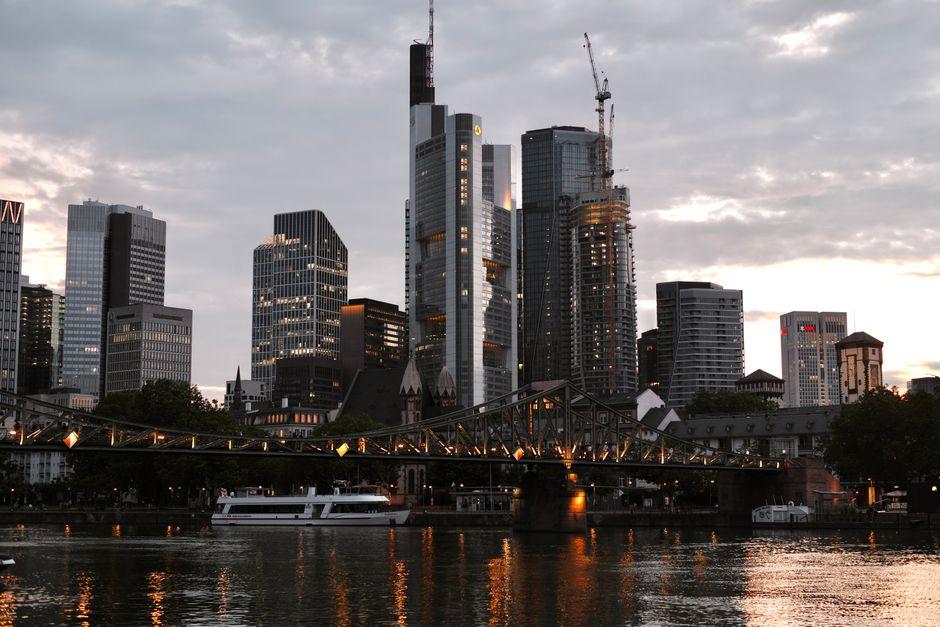
Charlottenburg-Wilmersdorf's scheduled Bezirksamt elections on September 27, 2026 will determine control of the district office that manages everything from building permits to public park maintenance. Five candidates representing the major parties active in the borough have filed their candidacy papers with the Landeswahlleitung Berlin by the July 1 deadline. The outcome will decide who sits in the Bezirksbürgermeister's chair and which coalition, if any, controls the Bezirksverordnetenversammlung, the local assembly with 55 seats that approves the district budget.
The elections come at a moment of genuine pressure on district finances. The Berlin Senate's 2026 Haushalt allocates Charlottenburg-Wilmersdorf approximately 38 million euros in discretionary Bezirksmittel, a figure that budget documents show has remained flat in real terms for three consecutive fiscal years. Meanwhile, the district's population has grown by roughly 4,200 residents since 2023, according to figures published by Amt für Statistik Berlin-Brandenburg, tightening per-capita resources for Kitas, youth centres and street repair. Whoever wins in September will inherit that arithmetic on day one.
Where Candidates Diverge, and What It Costs Residents
The clearest policy fault line runs through housing. The SPD candidate has anchored her platform on expanding the district's Milieuschutz zones, areas where the Bezirksamt holds a pre-emptive right to purchase properties before private investors can buy and convert them. Charlottenburg-Wilmersdorf currently operates seven such zones, covering roughly 18,000 households, according to the Senatsverwaltung für Stadtentwicklung. An expanded designation, if passed by the BVV, would restrict renovation cost pass-throughs to tenants in additional streets around the Kantstraße corridor. Renters in those streets would face less exposure to modernisation surcharges; landlords and property owners would face tighter exit options. The CDU candidate backs no new Milieuschutz designations, arguing that existing zones already constrain the construction investment the district needs to add net new units. Both positions reflect genuinely competing outcomes for different groups of residents.
Transport is the second dividing line. The Grüne candidate has formally endorsed completing the proposed extension of the U5 line westward from Hauptbahnhof toward Theodor-Heuss-Platz, a project the Berlin Senate's 2025 Nahverkehrsplan identifies as a long-term priority but has not yet funded past preliminary planning. That extension, if eventually approved and built, is projected by BVG planning documents to reduce average journey times from western Charlottenburg to central Berlin by up to 14 minutes during peak hours. The FDP candidate has opposed committing further district lobbying resources to that project, favouring instead faster cycling infrastructure improvements along the Bismarckstraße, a route currently rated poor for safety in the ADFC Fahrradklima-Test 2024. For residents who cycle, that distinction is immediate. For residents who depend on public transit, it is a longer-horizon question tied to Senate-level decisions.
Who Gains, Who Waits, and What Comes Next
School funding splits are also visible. The district operates 34 public primary schools. Candidates from the SPD and Grüne have both proposed lobbying the Senate for a top-up to the Schulsanierungsprogramm budget, which the Berlin Finance Senate currently funds at 650 million euros city-wide through 2028. Five Charlottenburg-Wilmersdorf primary school buildings are listed in Senate property records as requiring structural roof or facade work within that window. Parents at those schools will feel the difference in the pace of repairs regardless of which party controls the Bezirksamt, because the Senate holds the majority of capital funds, but local advocacy through the BVV does influence project sequencing.
Polling opens at 8 a.m. on September 27 across 214 designated Wahllokale in the district. Residents registered in Charlottenburg-Wilmersdorf as of the August 7 electoral roll cutoff are eligible to vote. Postal ballot applications open August 10 through the Bezirkswahlamt on Otto-Suhr-Allee. Results are expected by midnight on polling day, with coalition negotiations among BVV groups projected to conclude before the new Bezirksamt formally constitutes itself in late October. The decisions made in that room will govern district spending, planning approvals and social service contracts through at least 2030.