Politics
Friedrichshain-Kreuzberg Pushes Affordable Housing Alternatives as Berlin Rent Freeze Extended
District officials advance proposals for up to 600 wooden high-rise apartments and continue using right-of-first-refusal purchases, while the Senate caps rents at 30 percent of income.
How we reported this
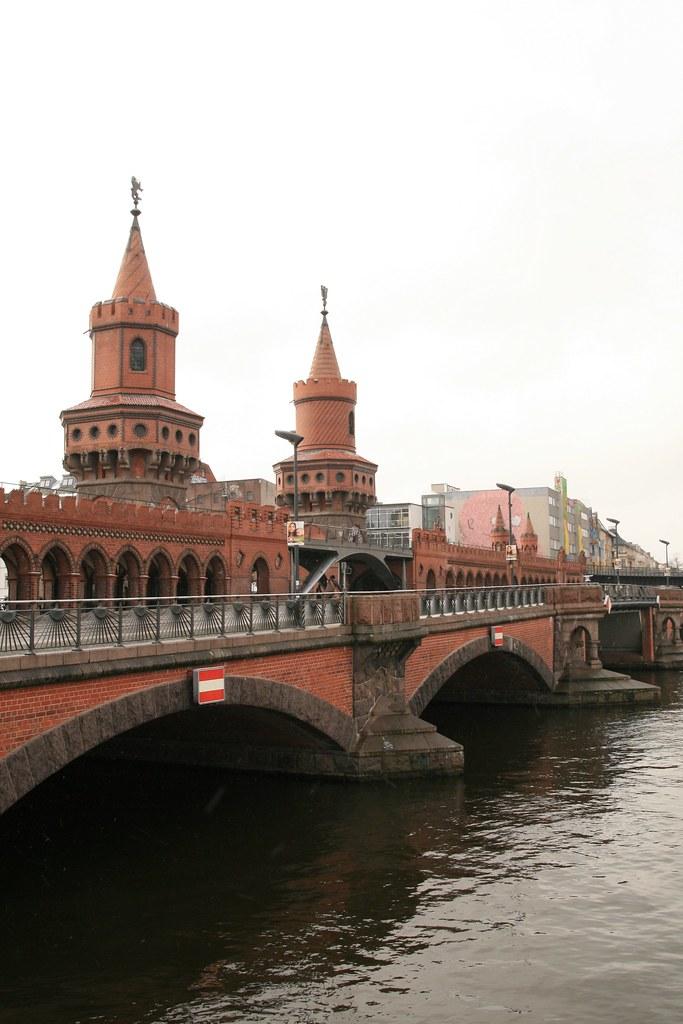
Friedrichshain-Kreuzberg is pursuing a multi-pronged strategy to preserve and create affordable housing, from acquiring existing apartment blocks to proposing alternatives to demolition. The district announced it is preparing for another acquisition, adding to the 11 multi-apartment buildings it has purchased using its right of first refusal since late 2017. The mechanism allows the borough to step in when private buildings are sold, keeping them as affordable rentals rather than allowing them to enter the speculative market.
The push comes as the Berlin Senate extended the citywide rent freeze in November 2025 through its Rent Limitation Ordinance. The measure directly impacts affordability in Friedrichshain, where rising rents have long strained household budgets. Separately, a newly formed 'coalition for social rents', comprising the Senate, state-owned housing companies, and tenant associations, agreed to cap rents at 30 percent of tenant income. For residents of the district, the cap is expected to provide a ceiling on housing costs that had been outpacing wage growth.
SEZ Ruins Debate: Wooden High-Rises vs. Demolition
One of the most visible battlegrounds for the district's housing policy has become the former Sport- und Erholungszentrum (SEZ) site. District officials and activists have proposed an alternative to the Senate's demolition plan, advocating for the construction of four wooden high-rises that would create up to 600 affordable apartments. The proposal also calls for preserving existing GDR-era structures on the site for cultural and community use, a contrast to the Senate's approach, which would clear the land entirely. The dispute highlights the tension between the district's ambition for denser, socially mixed development and the state government's preference for a clean slate.
The district's land purchases and development proposals are part of a broader effort to maintain affordability. Since 2017, borough authorities have used their right of first refusal on 11 buildings, each time preventing those units from converting to market-rate housing. The method has been a cornerstone of local policy, though officials acknowledge the process is often lengthy and contested by sellers. The pending acquisition would extend that record to a 12th building, though the specific location has not been disclosed in planning documents.
Decentralised Refugee Housing Strategy
The district has also applied its community-focused approach to refugee accommodation. Rather than concentrating temporary housing at two large sites, Friedrichshain-Kreuzberg implemented a decentralised strategy, distributing 1,000 modular accommodation units across multiple smaller locations. The units are integrated with regular housing and social uses, avoiding the creation of isolated camps. For existing residents, the approach is meant to reduce neighbourhood friction and ensure that new arrivals have access to local services and transit from the outset. The model, outlined in planning documents, has been cited by housing experts as a replicable template for other districts facing similar pressures.
Looking ahead, the interplay between local acquisition efforts, state rent controls, and the contested SEZ redevelopment will shape Friedrichshain-Kreuzberg's housing landscape. The coalition for social rents is expected to begin rolling out its income-based cap in phases, while the borough continues to identify buildings eligible for its right of first refusal. No timeline has been set for the SEZ decision, but both the district and the Senate are under pressure from residents and advocacy groups to resolve the standoff.