Politics
New State Housing Reform Bill Sets Benchmark: Where Neukolln Stands Compared to Other Cities
Changes to Berlin's Mietpreisbremse law mean revised rent caps and expanded tenant protections in Neukolln, with new limits likely to affect lease renewals and market pricing this autumn.
Listen in English · 4 min
How we reported this
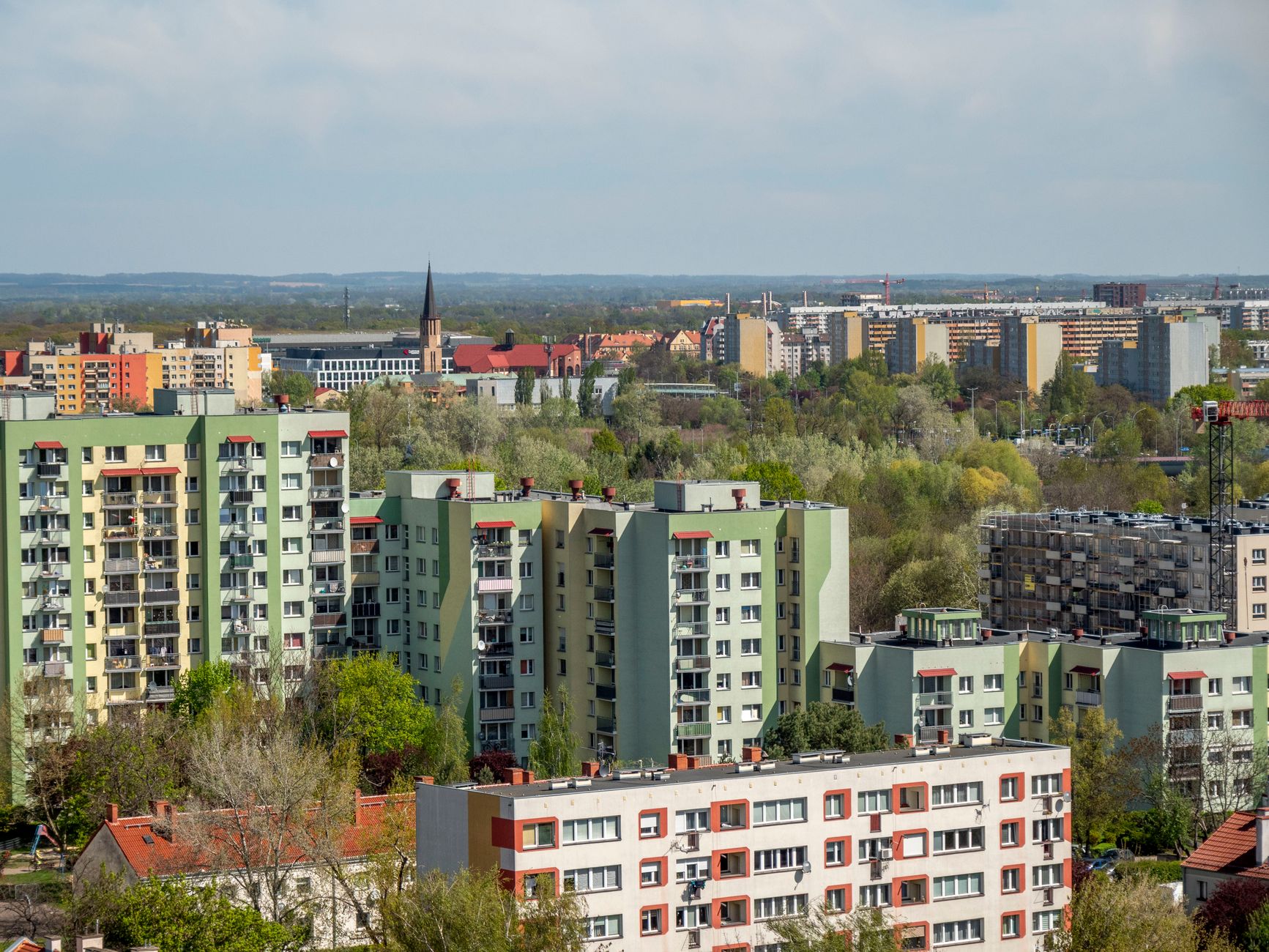
Berlin’s state parliament on Tuesday passed an update to the Mietpreisbremse (rent brake) law, introducing stricter rent controls and fresh tenant rights. Neukolln, which ranks among the city’s fastest-growing districts and has seen a 12% increase in average asking rents in the last three years according to the Senatsverwaltung für Stadtentwicklung, is directly in the policy’s crosshairs. The change comes after months of lobbying from tenant associations and property owners, who both spoke at public hearings in May. Effective from 1 September, the rule will cap rent increases on new contracts in Neukolln to no more than 10% above the local reference rent. Existing tenants are entitled to request information about previous rents paid for their flat, aiming to close loopholes used by some landlords.
Why the Law Matters Now
The update aims to address spiralling rental costs that have outpaced local wage growth. The government cites data from the 2025 Stadtmonitor report, showing households in Neukolln spend an average of 39% of net income on rent, above the Berlin-wide average of 33%. Lawmakers argue that unchecked increases have deterred essential workers-particularly hospital staff-who rely on the district’s proximity to central Berlin. Policy analysts say cities like Munich and Hamburg, which already enforce even stricter rent controls, have seen a deceleration in price growth. However, critics of the bill point to the risk of landlords withdrawing properties from the long-term market in favour of holiday lets.
Daily Life and Local Differences
For Neukolln residents, this legislation will immediately affect those renewing or signing new rental agreements after 1 September. A tenant moving into a renovated flat on Flughafenstrasse, currently advertised at €1,450 per month, may see the price brought down to the district’s Mietspiegel (reference) level plus 10%. Local advocates note that the measure could save newcomers around €220 per month compared to current listings. Small business owners on Sonnenallee say more predictable rent costs could free up disposable income among customers, supporting local commerce. For landlords, the law obliges them to issue formal notices of rent history, but the state government says a new online portal, launching in August, will help streamline compliance.
Comparing Neukolln’s Position
Berlin’s new rent cap now aligns Neukolln broadly with Hamburg, while Munich maintains the strictest controls, with an 8% limit and mandatory rent reductions for long-time tenants. According to data from the Berliner Mieterschutzbund, Neukolln’s average annual rent increase slowed to 2.4% in 2025, compared to 4.7% in 2023, but this remains slightly above the 1.9% reported in Charlottenburg. Senate budget figures project a €6.1 million annual allocation to enforce the new regulations citywide, including provision for 20 additional housing inspectors focused on the districts with the highest reported violations. Policy analysts expect clearer enforcement to result in more disputes reaching the local housing courts, which handled 440 rental cases in Neukolln alone last year.
For residents considering relocation, the revised Mietpreisbremse may improve affordability in Neukolln relative to Kreuzberg or Friedrichshain, where reference rents are 8-13% higher as recorded in the 2026 Mietspiegel. Conversely, those with existing below-market rents are not expected to see reductions under the new law, as the rules target only new leases and scheduled increases.
The bill’s rollout has prompted increased attention from both renter groups and property management firms. Community representatives plan information sessions at the Rathaus Neukolln on 15 and 22 July. The city-state government says updated documentation and an online calculator will be available on berlin.de by 5 August. Officials are expected to begin compliance audits from the first week of September, with fines ranging up to €5,000 for violations, as stated in the bill’s enforcement provisions.