property
Berlin's Renters Hold Their Ground While Buyers Weigh Cheaper Horizons
A new affordability gap is forcing Friedrichshain residents to choose between staying put as tenants or trading the capital for ownership somewhere else entirely.
How we reported this
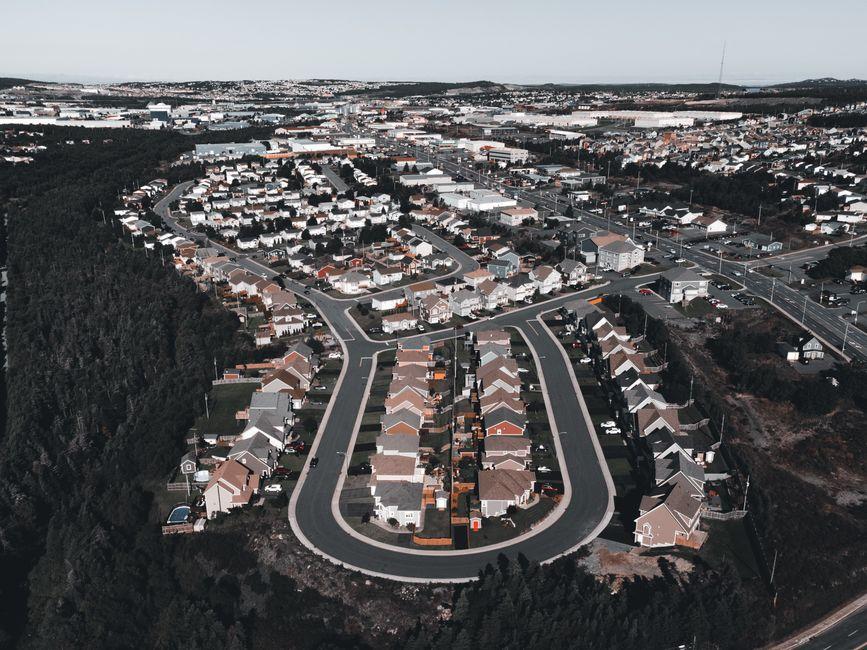
The numbers are stark. Buying a two-bedroom flat on Warschauer Strasse or anywhere within Friedrichshain's S-Bahn ring now requires a purchase price of roughly €5,500 to €6,800 per square metre, according to figures circulating among Berlin brokers this summer. For a household earning the median Berlin income, that math simply does not work, not without a deposit that takes the better part of a decade to accumulate.
What makes this moment different from the affordability squeeze of 2021 or 2022 is the interest rate environment. The European Central Bank cut its main deposit rate to 2.0 percent in June 2025, and mortgage financing has loosened slightly since then. But loosened is doing a lot of work in that sentence. A 30-year-old graphic designer renting in Friedrichshain-Kreuzberg and paying €1,100 a month for 60 square metres near Boxhagener Platz is still better off, month to month, than if they bought a comparable flat and serviced a €350,000 mortgage. The rent-versus-buy calculation, for most working Berliners, still leans heavily toward renting.
What the regions offer that the capital cannot
The comparison that is increasingly shaping decisions is not Berlin versus Munich or Hamburg. It is Berlin versus Cottbus, Leipzig, or the Oder-Spree district an hour east on the RE1 regional train. In Cottbus, purchase prices for comparable two-bedroom apartments have been trading below €2,000 per square metre. Monthly mortgage repayments on a €150,000 purchase at current rates can fall under €700, meaningfully less than a Friedrichshain rental for far more floor space.
The Mietspiegelreform, the reformed rental index law that came into force across German cities in 2022 and was updated again in 2024, has kept a lid on some of the worst rent inflation in Berlin's Mietspiegel-covered market. Friedrichshain sits inside that coverage, and the Mietspiegel benchmark for the neighbourhood, calculated using a rolling six-year dataset, gives sitting tenants real protection. New tenants, however, face advertised rents that frequently exceed the Mietspiegel ceiling by margins landlords justify through modernisation surcharges. Listings on platforms like ImmobilienScout24 for new lettings near Revaler Strasse or the RAW-Gelände regularly open at €18 to €22 per square metre cold, figures that test even dual-income households.
The Wohnberatung offices run through Bezirksamt Friedrichshain-Kreuzberg have reported sustained foot traffic from residents trying to understand their rights under the Mietpreisbremse, the rent brake legislation that theoretically caps new letting prices at 10 percent above the local Mietspiegel. Enforcement, though, depends on tenants filing formal objections, a process many avoid for fear of souring relations with landlords.
The practical calculation for 2026
Affordability researchers tracking German secondary cities point to a structural shift that accelerated after 2023: remote and hybrid working arrangements have made a Leipzig or Erfurt postcode genuinely compatible with a Berlin-based employer. For a Friedrichshain renter currently paying €13,000 a year in rent for a modest flat, buying a comparable property in Eisenhüttenstadt or parts of Frankfurt an der Oder for under €100,000 starts to look less like a compromise and more like a rational financial decision.
That calculus is not frictionless. Berlin's rental market offers proximity to employers concentrated along the Spree corridor, access to infrastructure that regional towns cannot match, and the social fabric of neighbourhoods like the streets around Volkspark Friedrichshain that residents describe as genuinely hard to replicate. The park itself, Berlin's oldest public green space, sits at the heart of a district that still draws young professionals and creative workers despite the cost pressure.
For anyone weighing the decision in the second half of 2026, the practical advice from property advisors operating in the district is consistent: model the full cost of ownership over ten years, not just the monthly mortgage payment. Factor in the 6 percent transfer tax Berlin charges, notary fees, and the likely need for renovation. Against that total, a protected Berlin tenancy, particularly one secured before 2023 at a below-market rate, may represent more financial stability than it appears. Buyers looking at regional alternatives should visit at least twice on working days, not just summer weekends.
This article is general information only and is not personal financial or investment advice. Consider your own circumstances and seek licensed professional advice before making financial decisions.