property
Renting in Friedrichshain Still Beats Buying, But the Gap Is Closing Fast
A new wave of regional data shows Berlin renters paying less per square metre than buyers, but the monthly arithmetic is shifting in ways that favour ownership outside the capital.
How we reported this
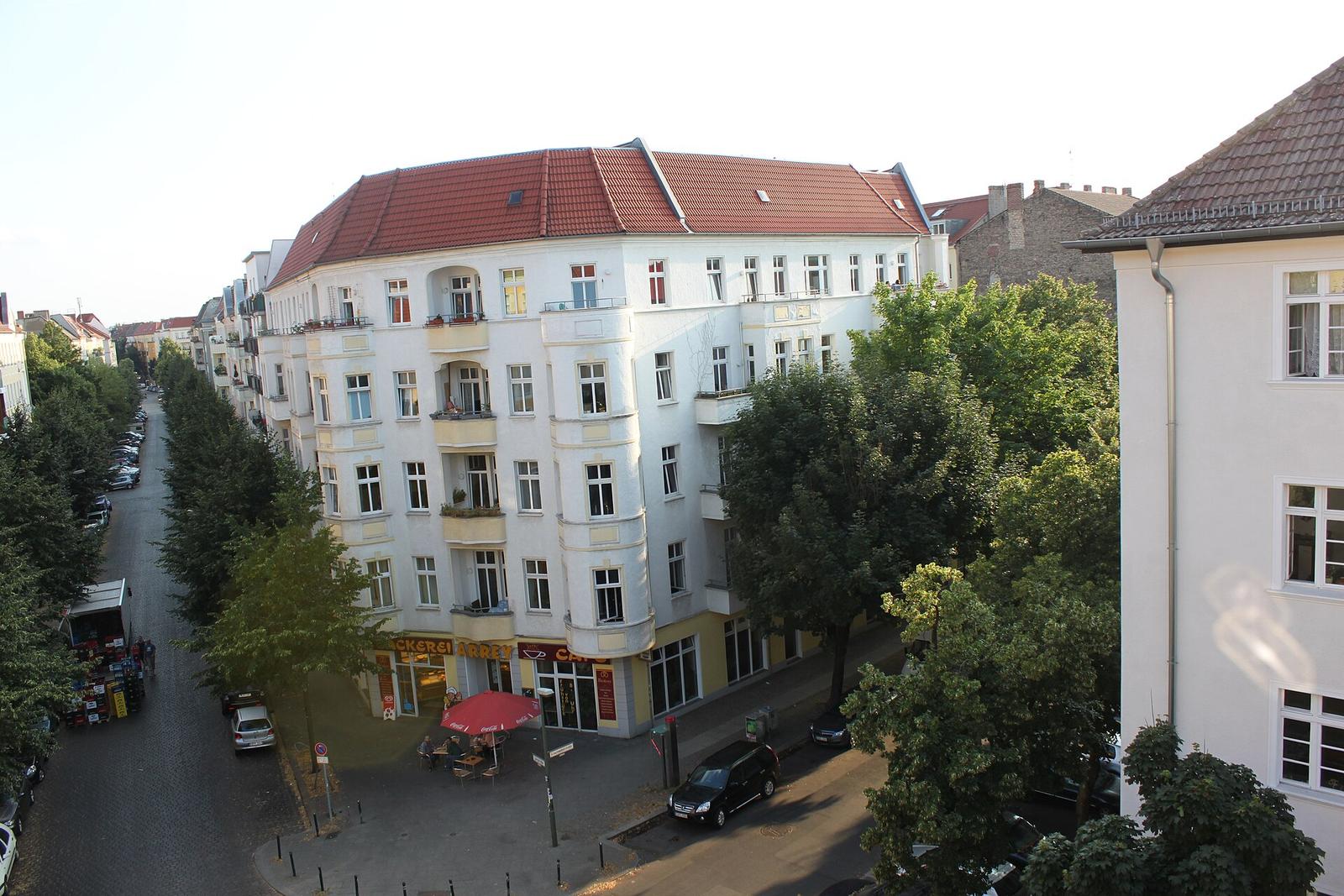
The monthly cost of renting a two-bedroom flat on Boxhagener Straße now sits at roughly €1,450 cold, a figure that looks almost reasonable until you set it beside what the same square footage costs in Leipzig or Dresden, where comparable apartments are renting for €700 to €850 a month. That gap, long treated as the accepted price of living in one of Europe's most sought-after inner-city neighbourhoods, is starting to provoke a harder question: at what point does renting in Friedrichshain stop making financial sense altogether?
The question matters more urgently in mid-2026 than it did even eighteen months ago. The European Central Bank has cut its key deposit rate three times since late 2024, pushing fixed mortgage rates for ten-year terms down to around 3.4 percent in Germany, still elevated by the standards of the 2010s, but low enough to make purchase calculations worthwhile again for households that can scrape together a deposit. At the same time, Berlin's rental index, the Mietspiegel, was updated earlier this year, and landlords across Friedrichshain have been adjusting asking rents upward accordingly.
What the Numbers Look Like on the Ground
In the streets around Volkspark Friedrichshain and along the Simon-Dach-Kiez, estate agents are listing two-bedroom resale apartments at between €420,000 and €550,000. At a 3.4 percent mortgage rate with a 20 percent deposit and a 25-year term, a €460,000 purchase works out to a monthly repayment of roughly €1,830, around €380 more per month than current market rents for equivalent space. That premium covers neither maintenance reserves, which German lenders typically advise budgeting at €2 to €3 per square metre per month, nor the one-off transaction costs of Grunderwerbsteuer, notary fees and estate agent commission, which in Berlin add up to approximately 12 to 15 percent of the purchase price.
The arithmetic looks very different in Saxony. In Leipzig's Connewitz district, often compared to Friedrichshain for its student population and arts scene, a comparable two-bedroom apartment sells for around €200,000 to €240,000. Monthly mortgage repayments on a €220,000 purchase fall to roughly €870, which is already below Leipzig rental market rates for similar properties. Buyers there are, by the standard measure, paying less monthly to own than to rent. Berlin has not reached that crossover point, but the margin is narrower than it was in 2023.
What Renters and Would-Be Buyers in Friedrichshain Should Watch
The tenant advisory service Mieterberatung Friedrichshain-Kreuzberg, which operates from offices near Kottbusser Tor and advises residents across both boroughs, has reported an increase in enquiries from long-term renters asking whether they should consider buying before further ECB rate movements alter the landscape again. The organisation does not give investment advice, but it does help tenants understand their rights under existing rental contracts, rights that become relevant if a landlord pursues Eigenbedarfskündigung, a eviction on grounds of personal use, which remains one of the principal routes through which renters in Friedrichshain lose tenancies they have held for years.
The Wohnberatung Berlin, a city-funded counselling service, has also extended its operating hours through the summer specifically to handle affordability queries from residents weighing up rent versus purchase scenarios. Appointments are available at the Rathaus Friedrichshain on Frankfurter Allee.
What the regional comparison really underlines is that the rent-versus-buy decision is no longer a Berlin-specific puzzle with a Berlin-specific answer. For households whose employers now permit full remote working, a structural shift that did not exist at scale before 2020, the monthly saving from relocating to Leipzig, Erfurt or even Magdeburg while continuing Berlin salaries can exceed €600 per month. That is the calculation driving visible demographic movement out of the capital's inner boroughs, even as demand for Friedrichshain rentals from new arrivals keeps vacancy rates close to zero. Renters who stay should expect asking rents to continue rising through the fourth quarter of 2026 as updated Mietspiegel comparables filter through into new contracts. Those who are weighing a purchase should run the numbers carefully, and budget for the transaction costs before anything else.