property
Berlin Renters Pay Capital Prices, But Leipzig Buyers Are Getting On the Ladder for Half the Cost
A new affordability comparison lays bare the growing chasm between renting in Prenzlauer Berg and buying in Germany's secondary cities.
How we reported this
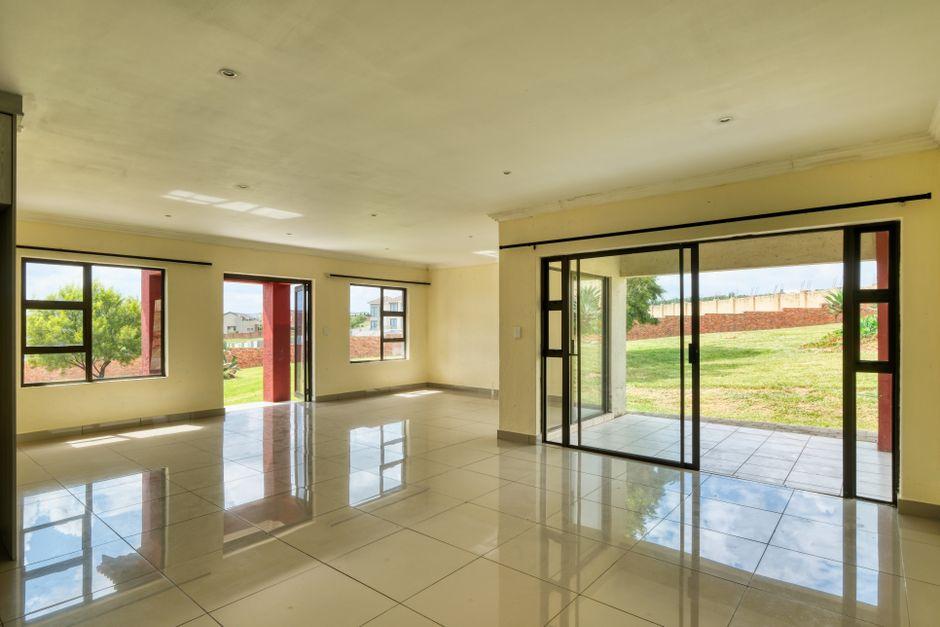
The numbers landed this week and they are stark. A two-bedroom apartment in Prenzlauer Berg now carries an average asking rent of €1,890 per month cold, according to July 2026 listings data compiled by Immoscout24, while a comparable property in Leipzig's Gohlis district can be purchased outright for under €180,000. That gap, which has widened by roughly 22 percent since early 2024, is reshaping how Berliners think about whether to stay, rent, or relocate.
The timing matters. With US strikes on Iranian infrastructure sending Brent crude back above $100 a barrel this week, German inflation forecasts for the second half of 2026 are being revised upward at precisely the moment the European Central Bank had hoped to hold rates steady. Fixed mortgage rates in Germany, which briefly dipped toward 3.4 percent in May, have crept back up to around 3.9 percent. For anyone calculating the rent-versus-buy equation, the calculus keeps shifting.
Prenzlauer Berg's Buy-In Price vs the Rest
On Kastanienallee, one of Prenzlauer Berg's most sought-after residential streets, a 65-square-metre resale flat is currently listed at €549,000, roughly €8,450 per square metre. At current mortgage rates, a buyer putting down 20 percent would face monthly repayments of approximately €2,340, plus non-deductible Grunderwerbsteuer of 6 percent in Berlin and notary fees. Total purchase costs would clear €590,000 before the first coat of paint. Even on Greifswalder Strasse, further east where prices soften slightly, the per-square-metre figure rarely falls below €6,800 for anything built after reunification.
The Mieterbund Berlin, the city's main tenants' association, has been tracking what it calls the "affordability scissors", the growing angle between wage growth and housing costs in the capital. According to their June 2026 analysis, a household earning the Berlin median net income of around €2,650 per month now spends 71 percent of take-home pay on rent alone in centrally located Prenzlauer Berg. The Federal Statistical Office benchmark for housing stress is 30 percent.
Compare that to Erfurt, Halle, or even Dresden's Neustadt district, where Immoscout24 data shows average purchase prices hovering between €2,200 and €3,100 per square metre. A buyer in those markets with the same 20 percent deposit could own a 75-square-metre flat with repayments under €800 a month, less than half what a Prenzlauer Berg renter pays for the equivalent space, and with equity accumulating rather than evaporating into a landlord's account.
What the Regional Spread Means for Local Decisions
The Stadtentwicklungsplan Wohnen 2040, Berlin's long-range housing framework adopted in late 2024, acknowledged the capital's structural undersupply but projected no meaningful price correction before 2029. The Wohnungsbaugesellschaft Berlin-Mitte, one of the six municipal housing companies, has a development pipeline of roughly 1,200 units scheduled for completion in Pankow, the borough that includes Prenzlauer Berg, but construction timelines have slipped repeatedly. The Michelangelostrasse site, earmarked for 340 affordable units, is now targeting a 2028 handover after supply-chain delays.
For households earning between €60,000 and €90,000 gross annually, the demographic that fills most of Prenzlauer Berg's rental market, financial advisers are increasingly running dual scenarios: stay and rent with maximum savings discipline, or relocate to a regional city and buy. The break-even point, assuming 3 percent annual property appreciation in secondary cities and flat real-wage growth, currently falls at around seven years in Leipzig or Erfurt before owning pulls decisively ahead of renting in Berlin.
None of this means Prenzlauer Berg empties out. The neighbourhood's proximity to the Kulturbrauerei, the cluster of tech employers around Schönhauser Allee, and the Mauerpark catchment area keeps demand floors high. But for those with portability, remote workers, freelancers, couples without school-age children, the regional spread is no longer a theoretical option. It is an active financial argument. Anyone who has not run the numbers recently should do it before the ECB meets again in September.
This article is general information only and is not personal financial or investment advice. Consider your own circumstances and seek licensed professional advice before making financial decisions.