wellness
Charlottenburg Sleep Clinics See Surge in Patient Demand, Extend Wait Times
Sleep labs and specialist clinics in the district are reporting longer wait times as more residents seek formal diagnosis for disorders that go far beyond simple insomnia.
How we reported this
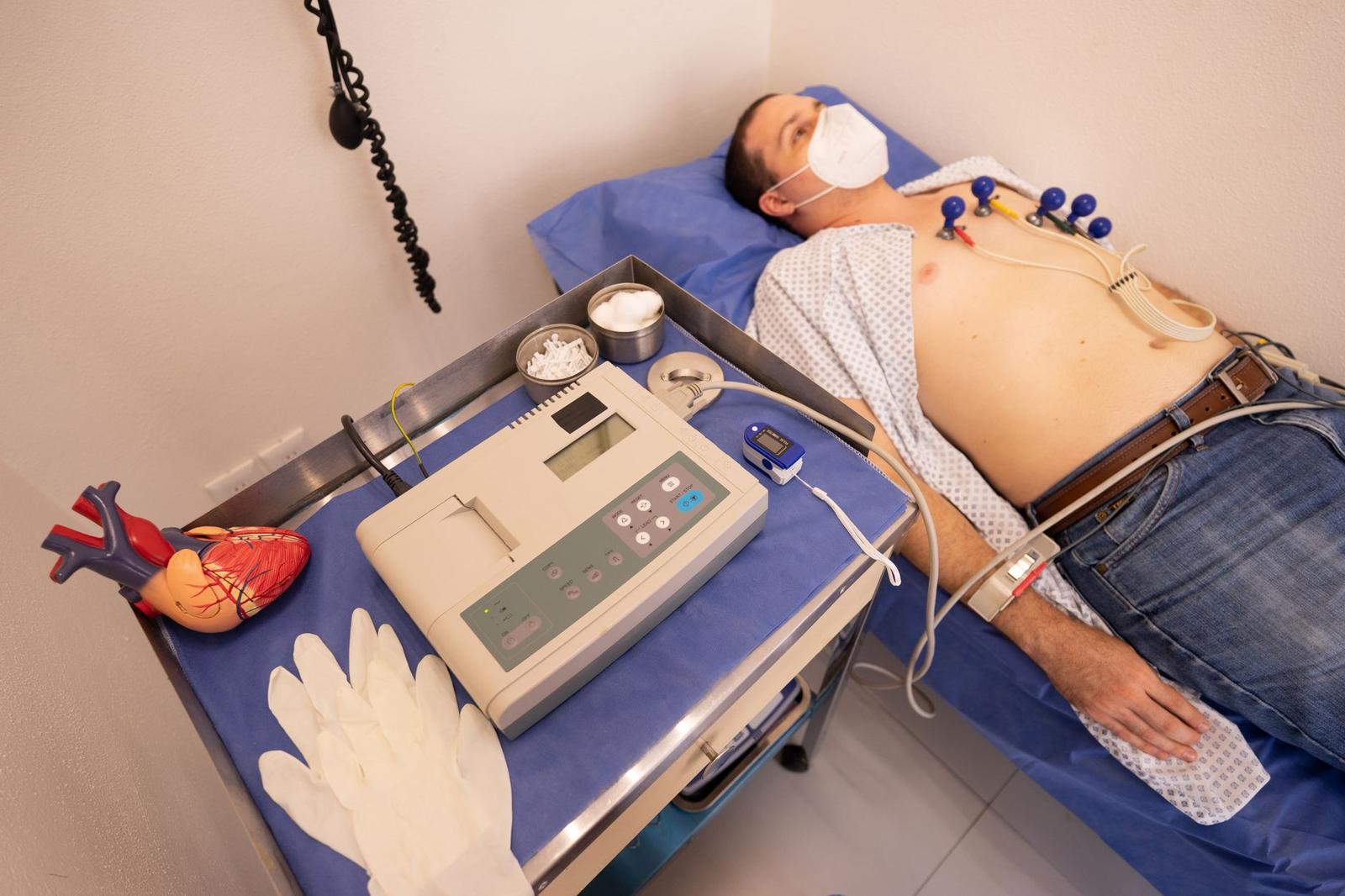
Sleep medicine specialists across Charlottenburg recorded a 22 percent rise in new patient referrals in the first half of 2026, according to figures shared by the Schlafmedizinisches Zentrum at the Charité campus on Spandauer Damm. The uptick mirrors what practitioners in comparable European urban districts have been tracking since late 2024, a post-pandemic hangover in which disrupted circadian rhythms never fully corrected themselves.
The timing matters. A wave of renewed public interest in hormones, melatonin use, and the neuroscience of rest has pushed sleep to the top of the wellness conversation. Berliner Apotheken on Kantstraße reported selling out of melatonin-based supplements twice in June alone, with pharmacists fielding questions that, they note, genuinely require a physician's input rather than an over-the-counter fix. That gap between consumer curiosity and clinical care is exactly where local sleep facilities say they can help, if people actually make the appointment.
Where to Start in the District
Two facilities in Charlottenburg proper are the most accessible entry points for residents. The Schlafambulanz at the Evangelisches Krankenhaus Hubertus on Spanische Allee runs polysomnography studies, overnight monitoring of brain waves, breathing, oxygen levels, and muscle activity, and accepts both private and statutory health insurance (gesetzliche Krankenversicherung). A standard overnight sleep study there is fully covered under GKV for patients with a GP referral citing suspected sleep apnea or periodic limb movement disorder. Without a referral, an initial consultation costs between €80 and €120.
The second option sits closer to the Kurfürstendamm corridor: the Praxis für Schlafmedizin und Neurologie on Leibnizstraße, a specialist private practice that has offered home sleep testing kits since January 2025. The home kit, a portable device that tracks respiratory effort and blood oxygen overnight, rents for €55 for a three-night loan period. Practitioners there say home testing now accounts for roughly 40 percent of their diagnostic workload, particularly for patients who struggle to sleep in unfamiliar environments, which, they point out, is a clinically significant problem when you are trying to measure natural sleep.
The Charlottenburg district health authority (Bezirksamt Charlottenburg-Wilmersdorf) launched a pilot program in March 2026 called SchlaFit, which pairs residents who complete a 90-minute sleep hygiene workshop at the Volkshochschule on Otto-Suhr-Allee with a discounted follow-up consultation at a partner clinic. The workshops run monthly, cost €12, and have filled to capacity at 30 participants every session since the scheme launched. A waiting list for the September cohort already has 47 names on it.
What the Research Actually Says
The clinical case for taking sleep seriously has hardened considerably. The European Sleep Research Society's 2025 consensus report placed chronic sleep deprivation, defined as consistently under six hours per night, as a contributing factor in cardiovascular disease, Type 2 diabetes, and mood disorders. Roughly one in three adults across major European urban centres reports symptoms consistent with at least one diagnosable sleep disorder, yet fewer than 15 percent have ever undergone a formal sleep study.
Charlottenburg's active wellness culture, with its yoga studios along Savignyplatz and the long-established running groups that circle the Lietzensee on weekend mornings, has made the neighbourhood receptive to preventive health messaging. But sleep specialists argue that lifestyle interventions, however valuable, have a ceiling. Someone with undiagnosed obstructive sleep apnea who takes up evening stretching and cuts their caffeine after noon will still wake repeatedly throughout the night.
The practical advice from clinicians here is straightforward. If you have snored loudly enough to wake a partner, wake unrefreshed after seven or more hours, or fall asleep involuntarily during the day, ask your Hausarzt for a referral to a Schlaflabor. The process begins with a questionnaire, the Epworth Sleepiness Scale is the standard tool, and a referral costs nothing. For those without a regular GP, the Kassenärztliche Vereinigung Berlin helpline at 030 31003-0 can direct you to available practitioners within the Charlottenburg-Wilmersdorf postcode area. Whatever you do, do not self-prescribe your way through it. The melatonin shelves on Kantstraße will still be there, but so will a sleep specialist who can tell you whether you actually need them.