wellness
Batch, Store, Repeat: Meal Prep Strategies for Charlottenburg's Busy Families and Workers
With grocery prices up and working hours stretching longer, more Charlottenburg residents are turning Sunday afternoons into the most productive meal of the week.
How we reported this
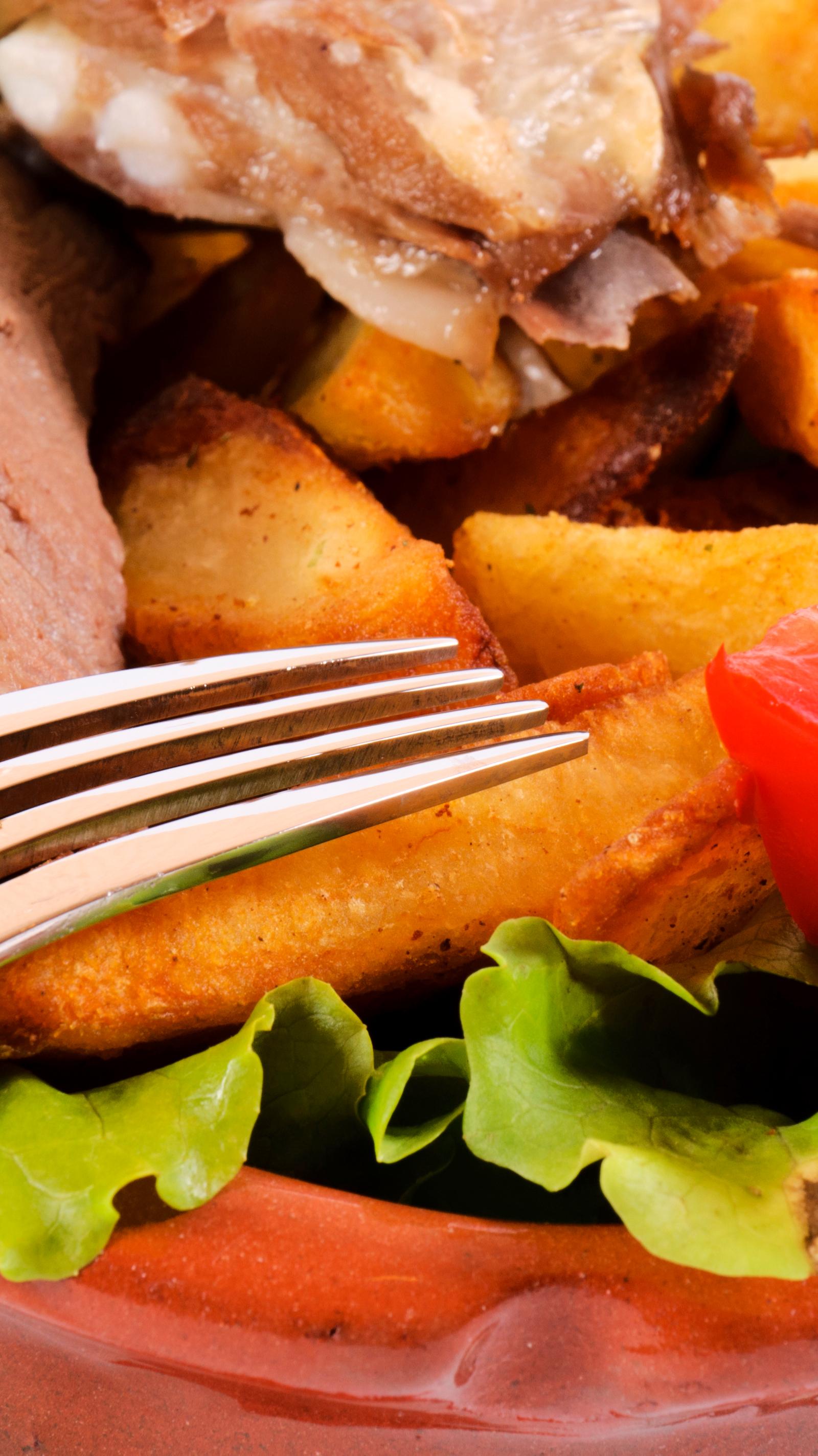
Demand for structured meal-preparation guidance has jumped sharply across Charlottenburg this summer, with local cooking schools and nutrition advisers reporting waitlists into September. The shift is practical, not fashionable. A standard weekly shop for a family of four at the Markthalle on Mommsenstraße now runs between €90 and €120, depending on season and protein choices, and residents who arrive without a plan tend to spend 20 to 30 percent more, according to a 2025 consumer habits survey by the Verbraucherzentrale Berlin.
The squeeze matters because time is as tight as budgets. Remote and hybrid work arrangements, once sold as a cure for the daily grind, have blurred the boundary between desk and kitchen. Many workers in the Kantstraße office corridor report eating lunch at their screens rather than cooking anything intentional. Families with children in the Charlottenburg-Wilmersdorf school district face the same wall: pickups, after-school clubs, and evening commitments leave roughly 25 minutes to get dinner on the table. Meal prep, blocking two to three hours on a Sunday to cook in bulk, is, for many, the only realistic answer.
Where Charlottenburg Residents Are Getting Help
Two local institutions have become reference points for anyone starting out. The VHS Berlin West, which runs adult education programmes from its centre near Sophie-Charlotte-Platz, added a dedicated meal-prep workshop series in January 2026. The six-session course, priced at €68 per participant, covers batch cooking of grains and legumes, portioning proteins, and building flexible sauces that work across multiple dishes in the same week. Sessions fill within days of opening.
The organic grocer Alnatura, with a branch on Kaiserdamm, has quietly become a resource hub too. Staff there field regular questions about storage times for prepped vegetables, cooked beetroot keeps four days refrigerated, blanched broccoli up to five, and the shop posts a weekly 'Batch Board' near the entrance suggesting three compatible recipes that share a base ingredient, cutting both waste and preparation time. It is low-key, but regulars notice it.
The structural logic of meal prep is straightforward. Cook once, eat several times. A 1.5 kg batch of roasted chicken thighs prepared on Sunday becomes Monday's grain bowl, Tuesday's wrap filling, and Wednesday's soup base. Dried lentils, running about €2.20 per 500g at most Charlottenburg supermarkets right now, yield roughly six portions of cooked lentils from a single 20-minute pot. Nutritionally, batch cooking also tends to reduce reliance on ultra-processed convenience foods, which a 2024 meta-analysis published in The BMJ linked to a 14 percent higher risk of cardiovascular events among frequent consumers.
Making the System Work Week to Week
Dietitians affiliated with the Charité, Universitätsmedizin Berlin, which runs outpatient nutrition counselling across the city, consistently recommend what they call the 'anchor ingredient' method: choose one starchy base (farro, brown rice, or roasted sweet potato), one protein cooked in bulk, and two vegetables prepped in different ways, one raw, one cooked, to keep meals from feeling repetitive by Thursday. Storing components separately rather than assembling full meals preserves texture and gives more flexibility at mealtimes.
Equipment matters less than people assume. A large lidded pot, two sheet pans, and four to six glass containers with airtight lids cover most needs. Rügenwalder Mühle's chilled meat-alternative proteins, stocked at the Rewe on Bismarckstraße, prep in under ten minutes and store well, useful for households mixing omnivore and vegetarian preferences.
The one consistent failure point is variety fatigue, which sets in around week three for most beginners. Rotating the anchor grain every fortnight and leaning on spice changes, the same roasted chickpeas become Mediterranean with cumin and paprika, or East Asian with sesame and ginger, extends the system's lifespan considerably. Anyone uncertain about personal nutritional needs given specific health circumstances should consult a GP or registered dietitian before making significant dietary changes.
The VHS Berlin West's next meal-prep cohort begins 14 September 2026. Registration opens online from 1 August.