wellness
Friedrichshain's Local Fermented Foods Transform Your Gut Health Today
From sauerkraut stalls on Boxhagener Platz to Korean-run kimchi suppliers on Warschauer Strasse, Friedrichshain's food scene is a live fermentation laboratory, and your microbiome is the beneficiary.
How we reported this
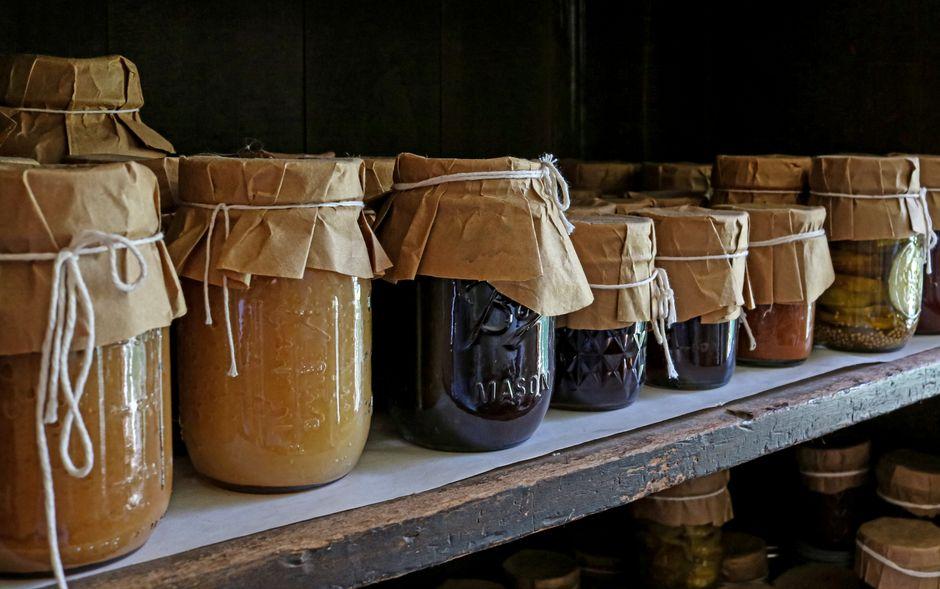
Fermented foods are outselling probiotic supplements in Berlin's independent health shops for the first time, according to figures compiled by the Verband für Ernährungsberatung und Diätetik in May 2026. In Friedrichshain, where the wellness culture has long run alongside the neighbourhood's harder-edged reputation, that shift is particularly visible. The Saturday market at Boxhagener Platz, Boxi, to regulars, now counts at least six regular vendors selling live-culture products, up from two in 2022.
The timing matters. A growing body of research, including a landmark 2021 Stanford University study published in Cell that tracked 36 adults over 17 weeks, established a direct link between a high-fermented-food diet and increased microbiome diversity, alongside lower markers of inflammation. That research has been widely cited in clinical nutrition circles ever since, and Berlin's dietitians have spent the past 18 months fielding more questions about gut health from clients than almost any other topic. The current conversation around hormones, testosterone, oestrogen, melatonin and their complex interplay, has only sharpened public appetite for understanding how the gut itself shapes how the body processes everything it receives.
Where to Find the Real Thing in Friedrichshain
Start at Boxi on a Saturday morning. The stall run by Fermentista Berlin, positioned near the northeastern corner of the market beside the playground fence, sells unpasteurised sauerkraut in 500g jars for €4.50 and a rotating selection of fermented beetroot, carrot and ginger krauts for €5.20. Unpasteurised is the operative word. Most supermarket sauerkraut is heat-treated, which kills the lactobacillus cultures that make fermented cabbage useful in the first place. The jars here are refrigerated, slightly cloudy, and smell appropriately funky.
Further east on Warschauer Strasse, the grocery Hanjip stocks three varieties of house-made kimchi, including a vegan version prepared without the traditional fermented anchovy paste. At €6.80 for a 400g tub, it is not cheap, but kimchi fermentation is labour-intensive, typically requiring three to five days of active culturing before the product is shelf-ready. Hanjip also sells doenjang, the Korean fermented soybean paste that functions similarly to Japanese miso and carries comparable probiotic credentials.
For kombucha, the café Viertel Vor on Simon-Dach-Strasse brews its own on-site in a 50-litre vessel and sells it on tap for €3.20 per 330ml glass. Homebrewing communities in Friedrichshain are active too, the Facebook group Ferment Berlin, founded in 2019, has 2,400 members and organises monthly SCOBY-sharing sessions at rotating venues around the Kiez, usually announced with a week's notice.
What the Evidence Actually Says, and What It Doesn't
Gut health has become a marketing term deployed loosely enough to cover everything from expensive powders to yoghurt ads. The science underneath is more precise and more limited than most headlines suggest. Research consistently shows that fermented foods containing live cultures, meaning they have not been pasteurised after fermentation, can increase the diversity of bacterial strains in the human gut. Higher diversity is generally associated with better metabolic function, stronger immune response and lower systemic inflammation. The key phrase is live cultures. Bread made with sourdough starter that has been baked at 220°C contains no surviving bacteria, however artisanal the loaf.
A realistic approach for most people in Friedrichshain involves eating one or two servings of live-fermented food daily rather than pursuing extreme dietary overhauls. A 150g serving of plain kefir, available at Edeka on Frankfurter Allee for €1.29 per 500g, or a tablespoon of unpasteurised sauerkraut alongside a meal constitutes a reasonable, evidence-adjacent starting point. Anyone managing a specific condition, from irritable bowel syndrome to post-antibiotic gut disruption, should talk to a Hausarzt or a registered nutritionist before treating fermented foods as treatment rather than food.
The Boxi market runs every Saturday from 9am to 3pm. Fermentista Berlin does not take pre-orders, so turnover on popular lines can be brisk by midday. Go early, bring a cool bag, and consider it a worthwhile detour regardless of what your gut health goals actually are.