wellness
Sweating, squinting, wincing: how temperature, light and noise are wrecking Friedrichshain's sleep
Berlin's most restless district has a geography problem, and your bedroom is where it shows up every night.
How we reported this
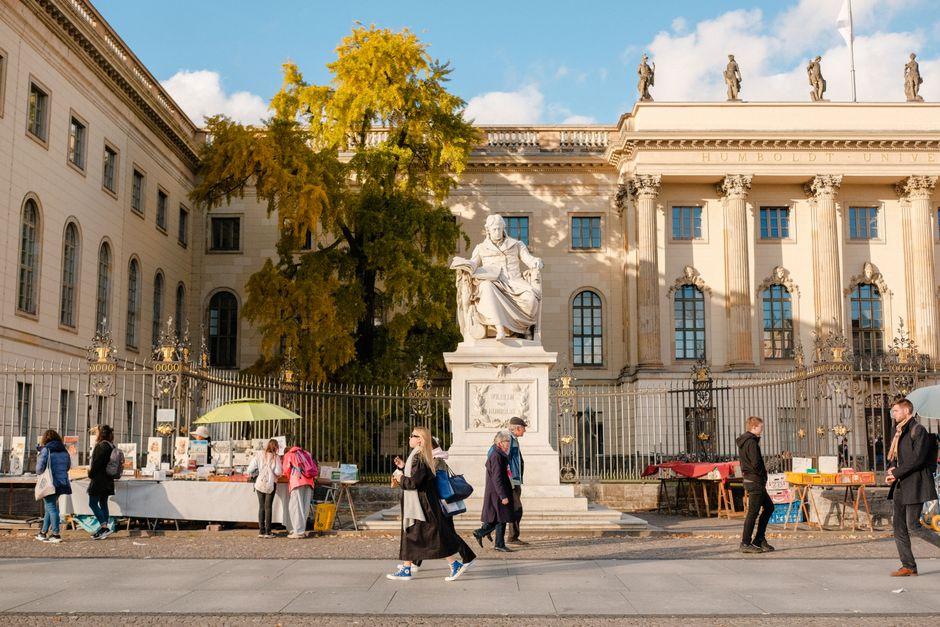
Friedrichshain does not go quiet. That is, by most measures, a feature. But between the S-Bahn rattling past Warschauer Straße after midnight, the summer light flooding through thin rental blinds at 4:47 a.m., and apartments that trap heat like storage units, a growing number of residents are grinding through July running on broken sleep.
The timing matters. July in Berlin is the cruelest month for sleep hygiene. Daylight lasts until nearly 9:30 p.m., overnight temperatures in the urban core regularly sit above 20°C, and Friedrichshain's particular mix of dense Gründerzeit housing stock, proximity to the East Side Gallery tourist corridor, and a nightlife spine along Revaler Straße creates what sleep researchers call a triple stressor environment, thermal load, light pollution and ambient noise hitting simultaneously.
Why your flat on Boxhagener Straße is working against you
Sleep science is reasonably settled on three environmental thresholds. The German Federal Environment Agency (Umweltbundesamt) has published guidance noting that road traffic noise above 40 decibels at night is associated with measurable sleep disruption; anything above 55 decibels correlates with cardiovascular risk over sustained exposure. A bedroom temperature above 18°C makes it measurably harder for the body to reach the core-temperature drop, roughly 1°C below waking baseline, that triggers deep, restorative sleep. And artificial light above 10 lux hitting the retina after 11 p.m. can suppress melatonin production for up to 90 minutes.
Friedrichshain scores poorly on all three. Streets like Boxhagener Straße and Simon-Dach-Straße see peak foot and vehicle traffic well past midnight on weekends. The neighbourhood sits within Berlin's light pollution band that researchers at the Leibniz Institute of Freshwater Ecology and Inland Fisheries mapped in a 2023 study of urban skyglow across German cities, the eastern districts registering among the brightest overnight light environments in the capital. And the pre-1918 rental stock, which makes up a large share of housing between Frankfurter Allee and the Spree, was built without mechanical ventilation; once interior temperatures climb past 24°C, they rarely drop below 20°C before 3 a.m.
None of that is destiny. It is a design problem with practical workarounds.
What Friedrichshain's wellness community is actually doing about it
The Viertel has resources. Sportsclub Friedrichshain e.V. on Marktgräfendamm runs an early-morning cold-water recovery programme, the 6:15 a.m. sessions have reportedly attracted a waiting list since spring, and practitioners there emphasise that cold exposure in the morning, not cold showers at night, is the more evidence-backed intervention for resetting circadian rhythm. The Ostkreuz-adjacent yoga studio Urban Souls on Revaler Straße offers a dedicated sleep-focused Yoga Nidra class on Wednesday evenings, timed to end before 9 p.m. specifically to avoid competing with the body's melatonin window.
On the hardware side, blackout curtain fittings from Manufactum at Rosenthaler Platz, a short U-Bahn ride on the U8, run between €38 and €85 per window depending on fitting type, a one-time cost most sleep specialists regard as among the highest-return purchases for urban dwellers. Portable white-noise devices capable of masking traffic at 50 decibels are available at Saturn on Alexanderplatz from around €29. Neither requires a lease amendment or landlord negotiation.
Temperature is the harder fix in a heatwave. Keeping interior air moving with a cross-draft, east-facing windows open before 8 a.m. to pull in cooler morning air, then closed by 10 a.m. as ambient temperatures rise, is a technique that costs nothing and consistently outperforms electric fans alone in masking studies conducted in comparable Central European climates. Sleeping with a dampened cotton sheet rather than a duvet on nights above 23°C cuts perceived thermal discomfort without requiring air conditioning.
Sleep is not a luxury habit or a productivity hack. It is a biological maintenance window, and Friedrichshain's July environment is actively shortening it for a lot of people. The fixes exist. They are cheap, local and specific. Start with the curtains. Then deal with the noise. The heat will take more patience, but the neighbourhood has always been good at that.
This article is for general wellness information only. Consult a local medical professional, such as a GP at one of the Kassenärztliche Vereinigung Berlin-registered practices in the Bezirk, for personal sleep health advice.