wellness
Kreuzberg Walkers Transform Daily Commutes Into Powerful Mindfulness Practice
Kreuzberg's streets and canal paths offer a surprisingly powerful laboratory for one of the oldest contemplative practices going, and you don't need a mat or an app to start.
How we reported this
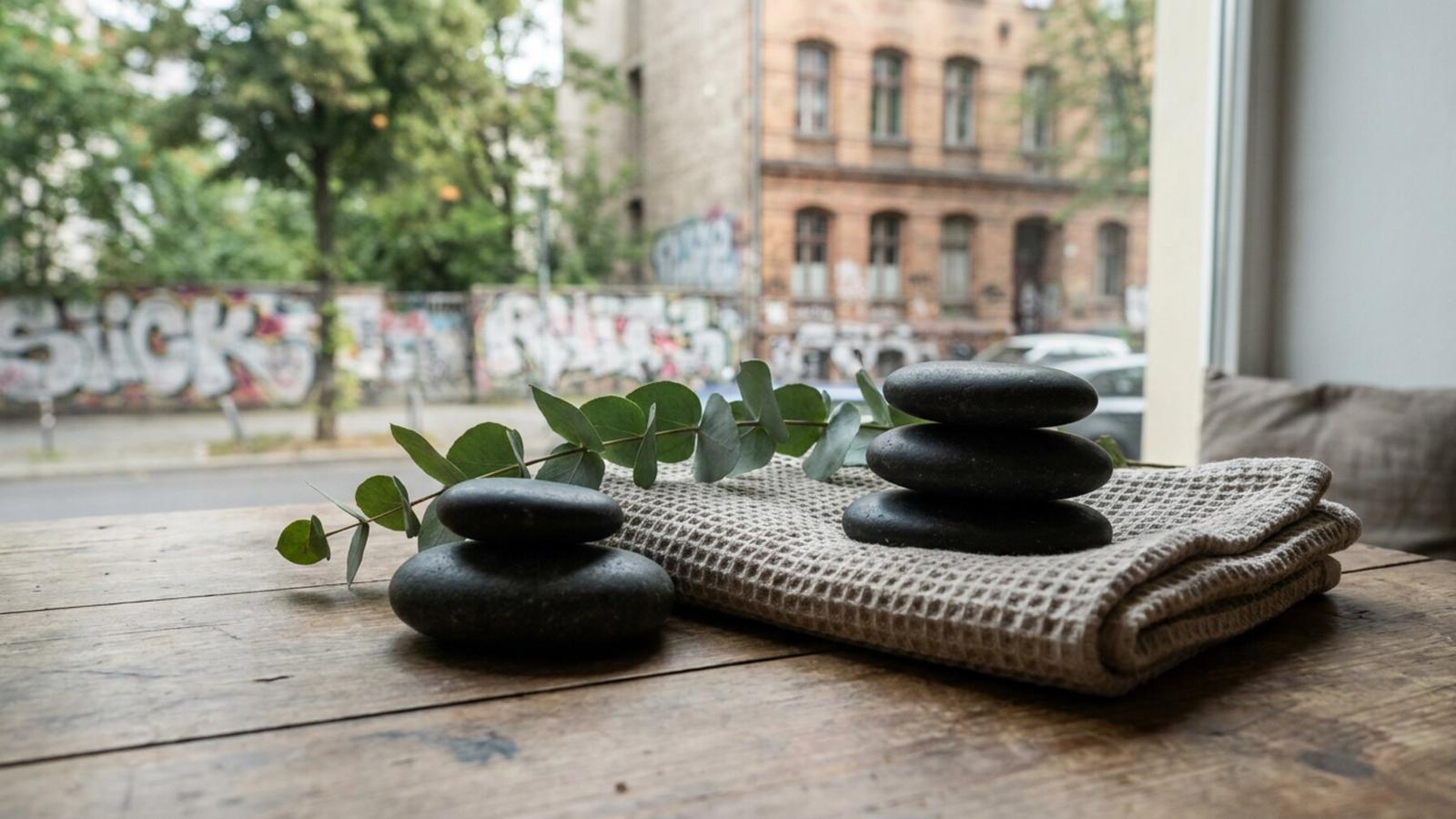
You don't need a studio, a subscription, or silence. Walking meditation, the practice of bringing deliberate, sustained attention to the act of moving through the world, is having a moment in Kreuzberg, and the neighbourhood's particular geography makes it almost perfectly suited to the thing.
The practice is not new. Theravada Buddhist monks have used kinhin and walking contemplation for more than 2,500 years as a complement to seated meditation. What is new is the uptick in structured instruction happening locally. The Tibetan Buddhist centre Rigpa Berlin, which runs a programme out of its Mehringdamm location, reported a 34 percent increase in attendance at its walking-based mindfulness sessions between January and May 2026, according to figures shared with local wellness networks this spring. Drop-in sessions there run at €12 per class, with a monthly pass available for €65.
Why the Landwehrkanal Changes Everything
The mechanics of walking meditation differ from a regular stroll in one specific way: pace. Practitioners slow down, sometimes to a crawl, and focus sequentially on the lifting, moving, and placing of each foot. Breath is anchored to movement. Peripheral sounds, smells, and textures become data rather than distraction.
The Landwehrkanal towpath between Planufer and Maybachufer is, by accident of design, one of the better stretches in Berlin for this. The path is wide enough to walk without constant pedestrian negotiation, the plane trees provide filtered light even in July heat, and the canal surface offers a consistent, low-grade visual anchor, something mindfulness instructors call a "soft gaze point." On a weekday morning before 8 a.m., foot traffic is light enough to sustain a slow, deliberate pace for a full 20-minute circuit.
Görlitzer Park is the other obvious option, though its central meadow demands a different kind of attention, more open, more stimulating, better suited to practitioners with some existing practice who can hold focus in a busier sensory environment. The park's eastern perimeter path, running along Görlitzer Straße, is quieter and more contained.
The science behind the practice is reasonably solid. A 2019 study published in the journal Complementary Therapies in Medicine followed 75 participants over eight weeks and found that walking meditation produced measurably greater reductions in anxiety scores than either seated meditation or unstructured walking alone. A separate meta-analysis from the University of Exeter, published in 2023, found that mindful walking interventions consistently improved mood ratings and reduced cortisol markers across 14 separate trials.
How to Actually Do It
The technique requires almost no equipment, but does require a decision before you leave the flat. Pick a fixed route, 15 to 20 minutes is enough to begin. Commit to no phone use, or at minimum no audio. The Oranienstraße stretch between Heinrichplatz and Moritzplatz is too stimulating for beginners; save it for when the practice is established.
Start by standing still for 30 seconds before moving. Notice weight distribution. Then walk at roughly half your usual pace. Coordinate breath with steps: inhale over four steps, exhale over four. When the mind drifts, and it will, immediately and repeatedly, bring attention back to the physical sensation of the foot contacting pavement. That's the entire practice. The return of attention is the exercise, not the sustained focus.
For those who want structured guidance before going solo, Vipassana Berlin holds a free drop-in session every Tuesday at 7 p.m. at their space near Kottbusser Tor. The July schedule is confirmed on their website through the end of the month. The Yoga Loft on Graefestraße also introduced a 45-minute "mindful movement" class in June 2026 priced at €14, which incorporates walking meditation alongside slow vinyasa sequences.
The broader context is worth acknowledging. Discussions about hormonal health, burnout, and the erosion of professional meaning are circulating widely right now, the pressures generating those conversations are real. Walking meditation won't resolve structural problems. What it reliably does, at no cost and with no equipment, is interrupt the cognitive loop for long enough that those problems look slightly different on the other side of a slow, deliberate lap of the canal. That's not nothing. Consult a local GP or mental health professional if you're managing clinical anxiety or depression alongside any self-directed practice.