wellness
Broken nights, fractured days: shift workers and irregular sleep, practical strategies that actually help
Kreuzberg's nurses, bar staff and delivery riders are running on empty, but sleep science and a few local resources are starting to close the gap.
Listen in English · 4 min
How we reported this
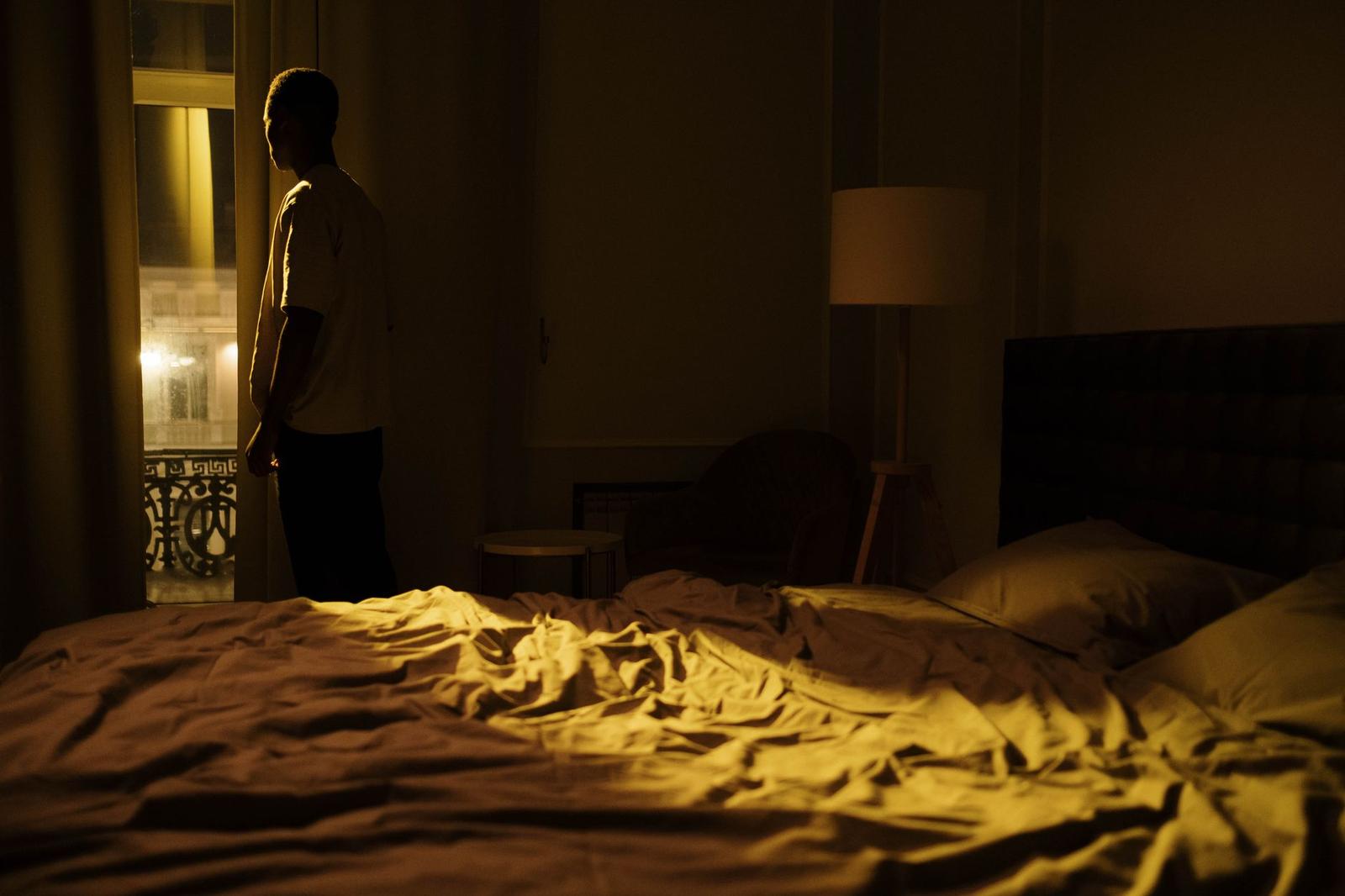
Roughly one in five workers in Germany operates outside the standard nine-to-five window, according to the Federal Institute for Occupational Safety and Health (BAuA). In Kreuzberg, where the Schlesisches Tor U-Bahn entrance sees its first wave of night-shift returnees before 6 a.m. and the last bar staff from Oranienstraße stumble home well past dawn, that statistic lands with particular weight. Sleep deprivation among irregular-hours workers is not a minor inconvenience. Chronic misalignment between work schedules and the body's circadian rhythm is linked to elevated risks of cardiovascular disease, type-2 diabetes and depression.
The conversation around sleep health has grown louder across Europe through the first half of 2026, partly driven by renewed public interest in hormones, melatonin in particular, and their role in regulating the sleep-wake cycle. But sleep specialists caution that popping a melatonin supplement is not a standalone fix for someone pulling rotating shifts at Vivantes Klinikum am Urban on Dieffenbachstraße or stocking shelves at the Rewe on Gneisenaustraße through the early hours. The physiology is considerably more complicated than that.
What the science actually says
A 2024 review published in the journal Sleep Medicine Reviews found that shift workers sleep, on average, one to four hours less per 24-hour period than their day-working counterparts, a deficit that compounds across weeks and months. The same review identified three interventions with the strongest evidence base: strategic light exposure, timed melatonin use and so-called sleep hygiene anchoring, meaning keeping at least one consistent sleep and wake time per week even when schedules rotate.
Light is the most powerful zeitgeber, the external cue that resets the internal clock. Night-shift workers heading home through Görlitzer Park at 7 a.m. in July are walking straight into bright morning light, which tells the brain to stay awake precisely when sleep is needed. Wearing blue-light-blocking glasses on the commute home is not a wellness-influencer gimmick; the evidence supporting it for shift workers is reasonably solid. Conversely, using a daylight therapy lamp, a 10,000-lux model costs between €40 and €120 at most Berlin electronics retailers, for 20 to 30 minutes at the start of a night shift can help advance alertness at the right moment in the cycle.
Local resources worth knowing
Kreuzberg has resources that are underused precisely because they are not loudly marketed. The Schlaf- und Chrono-Medizin consultation service at Charité, reachable through referral from a Hausarzt, offers structured sleep disorder assessments. Wait times as of spring 2026 are running at around eight weeks for non-urgent appointments, so early referral matters. For workers who cannot navigate an eight-week queue, the neighbourhood health centre Gesundheitszentrum Kreuzberg on Mehringdamm provides initial sleep hygiene consultations on a sliding-scale fee structure starting at €15 per session.
The yoga and movement studio Jivamukti Berlin, based near Urbanhafen, runs an early-morning 6 a.m. class specifically designed for people transitioning off overnight work, the sequencing prioritises parasympathetic activation over energising flows. Several regulars are reported to be healthcare workers from the surrounding hospital catchment. A single drop-in class runs €18. It is not therapy, but structured physical wind-down after a night shift has a decent evidence base for reducing sleep-onset latency.
Practical habit changes matter more than any single product or class. Sleep specialists consistently recommend: keeping the bedroom below 18 degrees Celsius during daytime sleep, using blackout curtains without exception, and telling people in the household, including children, that a closed door between specific hours is a hard boundary, not a preference. Phone notifications off means notifications off, not on silent.
For anyone in Kreuzberg working irregular hours and noticing that poor sleep is affecting mood, concentration or appetite, the first call should be to a Hausarzt rather than a supplement shelf. The German statutory health insurance system covers basic sleep disorder diagnostics, and most Krankenkassen, including TK and AOK, have introduced digital sleep-coaching programmes accessible via their apps since 2025. Free, evidence-informed and available at 3 a.m.: that combination is hard to beat.