wellness
Eating Well on a Tight Budget: Local Tips for Kreuzberg
With food prices still biting across Berlin, residents of one of the city's most food-obsessed neighbourhoods are finding creative ways to stay nourished without draining their accounts.
How we reported this
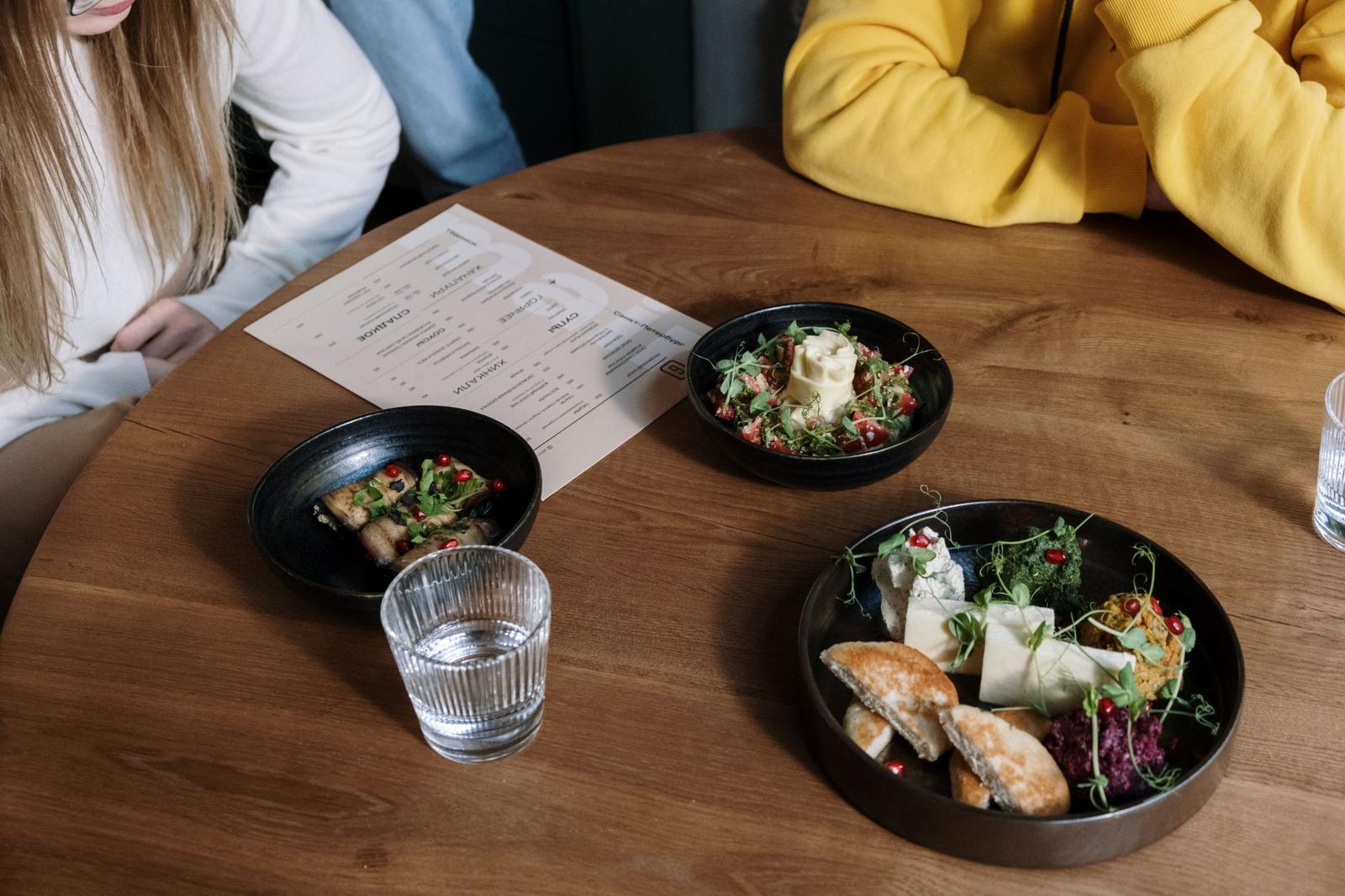
A kilo of organic lentils at the Türkenmarkt on Maybachufer costs roughly €2.40. A bunch of seasonal kale from the same stalls runs under a euro. For the roughly 40 percent of Kreuzberg households that the Berlin Senate's 2025 social atlas classified as low-income, these numbers are not trivial, they are the difference between a nutritious week and a processed one.
Food costs across Germany climbed an average of 3.1 percent in the first quarter of 2026, according to Destatis, outpacing wage growth in service-sector jobs. That squeeze lands hardest in dense, mixed-income neighbourhoods like Kreuzberg, where a long tradition of communal, immigrant-influenced food culture is now being tested by supermarket inflation and rising rents pushing out independent grocers. The wellness conversation has shifted accordingly: it is no longer enough to tell people to eat more vegetables. The question is how to afford them.
Where to Shop Smarter in SO36 and Beyond
The Türkenmarkt, held every Tuesday and Friday along the Maybachufer canal, remains the single best-value fresh produce market in the district. Vendors here, many of whom have supplied the neighbourhood for over two decades, routinely sell surplus stock at half-price in the final 30 minutes before close, typically around 6 p.m. on Fridays. Aubergines, tomatoes, flat-leaf parsley and dried pulses dominate the stalls, and bulk buying a week's worth of legumes for under €5 is entirely realistic.
For those who prefer a fixed weekly structure, the food cooperative Kreuzberg SuperCoop on Gneisenaustraße runs a member-ownership model where households paying a monthly fee of €10 to €15 access wholesale-priced staples, olive oil, whole grains, tinned legumes, typically 20 to 30 percent cheaper than the nearest Rewe. Membership has grown by around 18 percent since January 2026, according to the co-op's own published figures. The model, borrowed from the Park Slope Food Coop in New York, asks members to contribute three hours of work per month in exchange for the pricing discount.
Foodsharing Kreuzberg, a volunteer network active in the neighbourhood since 2012, coordinates daily pickups of surplus food from local bakeries, including Zeit für Brot on Bergmannstraße, and redistributes unsold bread, pastries and occasionally dairy through public sharing points at Görlitzer Park and Heinrichplatz. The network logged over 14,000 kilograms of rescued food across the district in 2025 alone.
Building a Cheap, Nutritionally Sound Plate
Nutritional density per euro is the metric that matters most on a constrained budget. Dried chickpeas, red lentils, canned sardines, eggs, seasonal root vegetables and plain full-fat yoghurt consistently rank among the most cost-effective sources of protein, fibre and micronutrients available in Berlin's markets. A meal built around 200g of dried lentils (roughly €0.48), a tin of chopped tomatoes (€0.79 at Lidl on Kottbusser Damm) and two cloves of garlic costs under €1.50 and delivers around 30 grams of plant protein. That is not a hardship diet. It is the base of cuisines that have sustained populations for centuries.
The practical leap many Kreuzberg residents are making in mid-2026 is batch cooking, preparing large quantities of legume-based dishes on Sundays and portioning them across the week. Community kitchen sessions run by Nachbarschaftsheim Urbanstraße on the first and third Wednesday of each month offer shared cooking facilities and recipe guidance specifically designed around low-cost seasonal produce. Participation is free, and the July session on 16 July focuses on cold summer meals that require minimal cooking energy, a nod both to the heat and to rising electricity costs.
The larger hormonal and metabolic research emerging this year reinforces what nutritionists have argued for a long time: consistent intake of fibre, quality protein and micronutrients matters more than any supplement regime. That kind of consistency does not require a Prenzlauer Berg organic food budget. It requires knowing where to shop, when to show up, and which staples to keep in the cupboard. In Kreuzberg, those answers are closer, and cheaper, than many residents currently realise.