wellness
Thirsty Work: How Kreuzberg's Summer Heat Is Changing What, and How Much, We Drink
With Berlin logging its hottest early-July temperatures in years, local wellness experts and neighbourhood cafés are pushing a harder line on daily hydration.
How we reported this
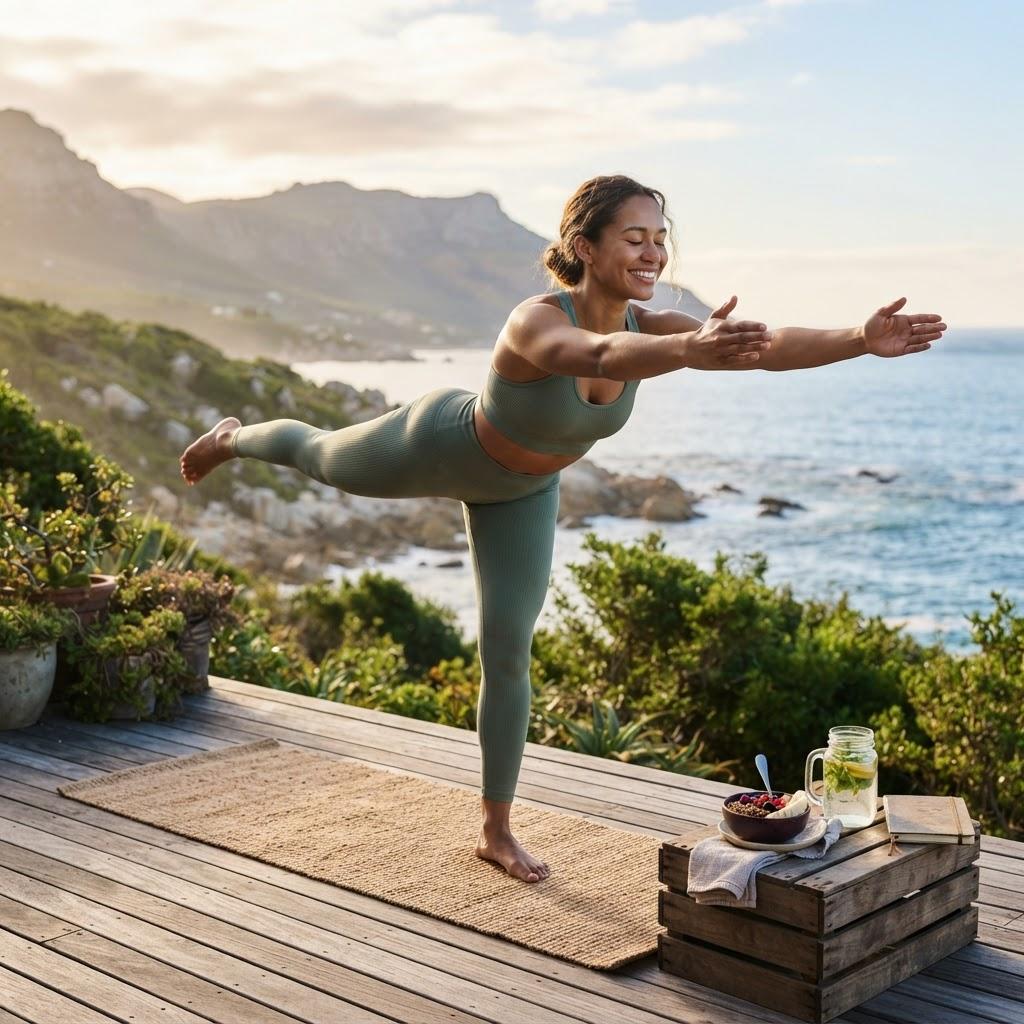
Berlin hit 36°C on July 3rd. By the afternoon, the queues at Vökolade on Laden in Görlitzer Straße stretched past the door, and the water fountains along the Landwehrkanal towpath were running non-stop. Kreuzberg's famously active outdoor culture, the circuit of park gyms at Görlitzer Park, the cycling commuters on Oranienstraße, the open-air yoga sessions near Tempelhofer Feld, looks different when the asphalt is radiating heat by 10am.
Heat stress isn't dramatic until it is. The German weather service Deutscher Wetterdienst has flagged this July as the third consecutive summer with extended heat periods in Berlin, and urban districts like Kreuzberg, dense with sealed road surfaces and relatively sparse tree cover compared to Dahlem or Grunewald, warm faster and hold that heat longer after dark. For anyone exercising outdoors, working in a kitchen, or simply cycling the 4.8-kilometre stretch from Moritzplatz to Tempelhof, the margin between adequately hydrated and dangerously depleted narrows faster than most people realise.
How Much Water Is Actually Enough?
The European Food Safety Authority recommends 2 litres of total water intake per day for adult women and 2.5 litres for adult men under normal conditions. Those figures climb sharply with heat and activity. Spending two hours cycling or running in 34°C temperatures can push sweat loss to between 1 and 2 litres per hour, depending on body weight and intensity. The arithmetic is not complicated: most people are starting the day already behind.
Plain water remains the baseline. Berlin's tap water, supplied by Berliner Wasserbetriebe, is consistently rated among the cleanest municipal supplies in Europe, with low nitrate levels and no need for additional filtration under normal circumstances. Filling a 750ml bottle at home before leaving for Görlitzer Park costs effectively nothing and sidesteps the markup on bottled water at kiosks along Paul-Lincke-Ufer, where a 500ml bottle regularly runs €1.50 to €2.00.
Electrolytes matter more than many casual exercisers acknowledge. Sweating depletes sodium, potassium and magnesium alongside fluids, and replacing water alone without those minerals can leave you feeling foggy and cramped even after drinking adequately. Whole foods help: a banana provides around 422mg of potassium. A small portion of salted nuts, widely available at the Turkish market on Maybachufer every Tuesday and Friday, adds sodium without a sports drink's sugar load. For longer efforts, anything beyond 90 minutes of sustained outdoor activity, a low-sugar electrolyte tablet dissolved in water is a practical option. Several are stocked at the Reformhaus on Bergmannstraße, with products starting around €8 for a tube of 10 tablets.
What Kreuzberg's Wellness Scene Is Recommending
The neighbourhood's wellness infrastructure has been quietly adjusting. Vivo Cycling on Urbanstraße now places water reminders on the mirror at the studio entrance and offers chilled still water at reception between 7am and 8pm. The Markthalle Neun slow-food collective, which holds its weekly Donnerstagmarkt on Eisenbahnstraße every Thursday, has expanded its fresh-pressed vegetable juice stall this summer, cucumber, celery and ginger combinations that deliver both fluids and minerals simultaneously.
Coffee is not the enemy it is sometimes painted to be. Research published in the journal Nutrients in 2022 found that moderate caffeine consumption, up to around 400mg daily, equivalent to roughly three or four espressos, does not cause net fluid loss in habituated drinkers. The flat white from Concierge Coffee on Prinzessinnenstraße counts toward your daily intake. So does herbal tea, broth, and the water content in fruit and vegetables, which typically accounts for 20 to 30 percent of daily fluid intake.
Alcohol does not. A cold Berliner Pilsner on the canal in the evening is one of summer's genuine pleasures, but each standard drink triggers a mild diuretic effect. Match each glass with a glass of water and the arithmetic stays manageable.
The practical advice is straightforward: drink before you feel thirsty, thirst is already a sign of early dehydration, carry a refillable bottle, eat your water as well as drinking it, and pay attention to urine colour. Pale yellow is the target. If it's darker than apple juice by midday, stop whatever you're doing and drink. Berlin's summer is not letting up. Neither should you. Anyone with specific health concerns around hydration or heat tolerance should speak with their GP or a registered nutritionist based locally.