wellness
How Temperature, Light and Noise Affect Your Sleep Quality in Kreuzberg
Restless nights in Berlin’s liveliest district? Local experts and data point to the environment as a key factor for Kreuzberg residents’ sleep health.
How we reported this
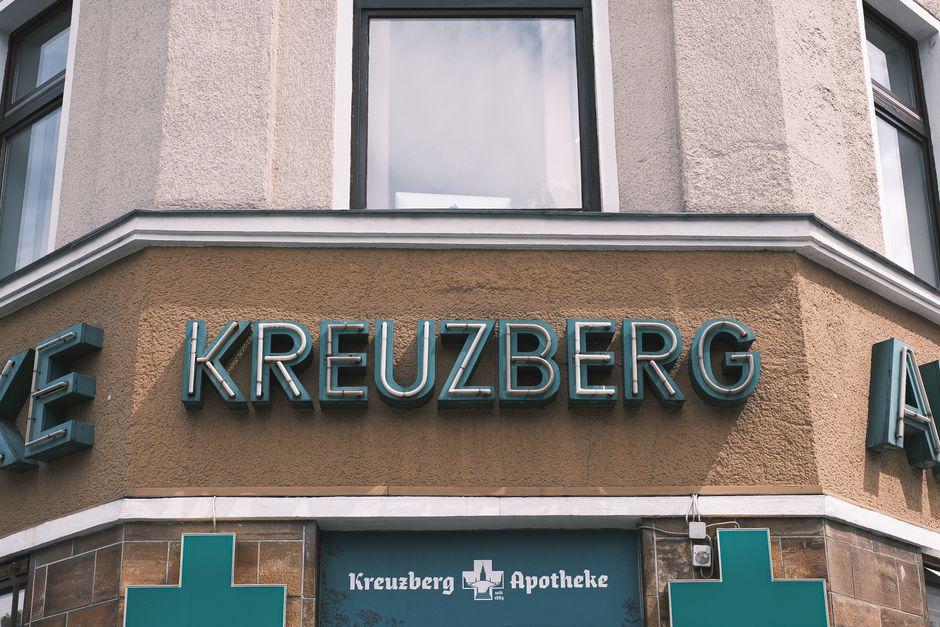
With another heatwave settling over Berlin and outdoor nightlife ramping up along Skalitzer Straße, sleep health is top of mind for many Kreuzbergers. Research is increasingly pointing to temperature spikes, bright city lighting, and late-night street noise as major disruptors for the district’s urban dwellers.
Why does this matter now? Berliners have already experienced multiple nights above 22°C this summer, and local weather forecasts predict tropical evenings will persist throughout July. Residents in dense Kiez blocks, especially those facing Görlitzer Park or living near busy venues like SO36, say getting a full night’s rest is tougher than ever.
Local Impacts: Where Nightlife Meets Rest
Kreuzberg is well known for its active wellness community-but also for its late bar culture, vibrant food scene and constant flow of events. The vegan cafés around Kottbusser Tor help fuel long days, but the hum of party-goers and sounds from late-night buses along Adalbertstraße become problematic once midnight rolls around. Several sleep workshops at the Gesundheitszentrum in Böckhstraße have reported growing interest, with participants asking how to manage their sleep amid urban distractions. Meanwhile, Urban Nation’s recent exhibit on sensory overload highlighted, among other themes, the impact of continuous city stimuli on personal well-being.
The city’s own Lärmkartierung (noise mapping) project measured average nighttime street noise in Kreuzberg’s busiest corridors, including Mariannenplatz and the Landwehrkanal banks. The maps show many blocks regularly experience noise levels above 55 decibels after 11pm-well above the World Health Organization's recommended maximum night-time ambient sound of 40 decibels for healthy sleep. Meanwhile, the Berlin Senate Department for the Environment documented that inner-city temperatures can be 4°C higher than in urban green zones like Park am Gleisdreieck, because of the urban heat island effect.
Data and Evidence: What the Numbers Say
Recent data from Techniker Krankenkasse show that nearly 37% of Berliners surveyed in 2025 reported sleep difficulties at least twice a week during summer months. Local pharmacies such as Apotheken am Kottbusser Tor have also seen sales of blackout curtains and white noise machines double compared to last year, with prices for blackout drapes in Kreuzberg averaging around €45 per window. The continued installation of LED streetlights-especially on Manteuffelstraße and around Oranienplatz-has led to more complaints submitted to the Bezirksamt Friedrichshain-Kreuzberg about excessive nighttime brightness entering bedroom windows.
Many local residents are investing in temperature-control strategies, from electric fans (often selling out across MediaMarkt Karstadt at €29-49 each) to new kinds of climate-sensitive blinds. But these solutions are only a patch: systematic changes to public lighting and noise mitigation are still lagging behind the rise in sleeplessness complaints.
What Next or What You Can Do
Both the Bezirksamt and local wellness initiatives-including monthly seminars at Klunkerkranich-continue to push sleep hygiene as part of holistic wellness. Experts advise Kreuzbergers to keep bedroom windows shaded with blackout curtains as dusk falls, use earplugs or white noise devices, and set up cross-ventilation before bedtime to keep temperatures down. For those living near hotspots like Schlesisches Tor, specialty shops including Bettzeit Schlafstudio on Wiener Straße offer consultations for optimising home sleep environments. If restless nights persist, consider reaching out to a medical professional in your Kiez health centre.
As Kreuzberg’s vibrant life shows no sign of slowing, residents are learning to balance the advantages of city vitality with the essential need for healthy, restorative sleep-even in the heart of Berlin’s busiest neighbourhood.