wellness
Five Seasonal Recipes Using Local Produce Available Right Now in Mitte
From Hackescher Markt to the banks of the Spree, Berlin-Mitte's summer harvest is at peak ripeness, here's how to cook it.
How we reported this
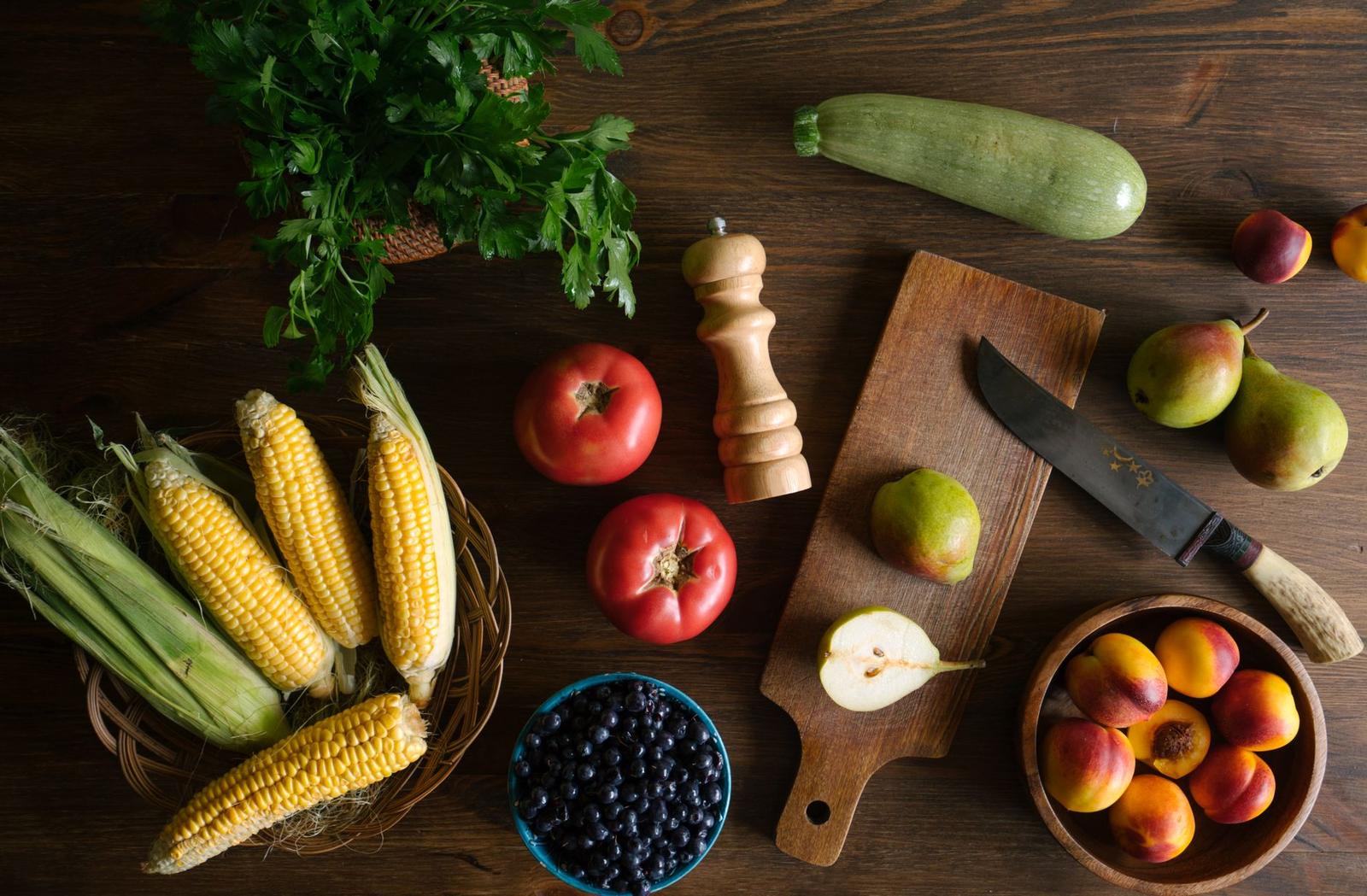
The stalls at Hackescher Markt are overflowing. Courgettes the length of your forearm, flat-podded beans, the first of the season's tomatoes and bundles of fresh dill thick enough to sweep a floor, July in Mitte means the neighbourhood's most committed cooks are already recalibrating their weekly menus. This is the window, roughly six weeks from late June through mid-August, when eating locally and eating well overlap almost perfectly.
The timing matters for reasons beyond flavour. Energy costs and supply-chain pressures pushed food prices across Berlin up roughly 4.2 percent in the first quarter of 2026, according to Statistisches Amt Berlin-Brandenburg data published in May. Buying directly from regional growers at the Kollwitzplatz Ökomarkt or the twice-weekly Mitte market on Museumsinsel costs less per kilogram than equivalent produce in most supermarket chains, and the nutritional case for eating fruit and vegetables within days of harvest, rather than weeks, is well-established in peer-reviewed literature on phytonutrient degradation.
What to Buy, and Where to Find It
The Museumsinsel market, which runs Tuesdays and Fridays from 8am, currently has Brandenburg-grown courgettes at €1.80 per kilo and bunched rainbow chard at €2.20. The Erzeugermarkt cooperative, whose stall is at the northern end near the Bode-Museum, sources exclusively from farms within 150 kilometres of Berlin, which this week means Havelland cherries, Spreewald cucumbers and the season's earliest romano peppers.
With that basket in hand, five recipes stand out for simplicity, nutrition and genuine seasonal logic.
1. Courgette and fresh ricotta flatbread. Shave one large courgette into ribbons with a peeler. Toss with a pinch of salt and rest for ten minutes, then squeeze dry. Spread good ricotta over warm flatbread, layer the ribbons on top, finish with lemon zest and a thread of olive oil. Ready in 20 minutes. High in folate and vitamin C.
2. Chilled Spreewald cucumber soup. Blitz two peeled cucumbers with a clove of garlic, 200ml of kefir, a handful of dill and a squeeze of lemon. Season, chill for 30 minutes, serve in bowls with rye croutons. Kefir provides live cultures; cucumbers in July are 96 percent water and useful on hot days when the Mitte pavement holds heat until midnight.
3. Rainbow chard and white bean pan. Wilt chard stems first, they need four minutes longer than the leaves. Add one tin of white beans, a splash of vegetable stock, smoked paprika, and finish with the torn leaves. Serve on toast or alongside grilled fish. Chard delivers magnesium and potassium; beans add around 15 grams of plant protein per serving.
4. Havelland cherry and farro salad. Cook farro (280g dry weight serves four) until just tender, around 25 minutes. Halve and stone 200g of cherries. Combine with rocket, toasted walnuts, shaved pecorino and a red-wine vinaigrette. Cherries contain anthocyanins linked to reduced inflammation markers in several 2024 dietary-intervention studies.
5. Romano pepper and egg shakshuka. Blister three sliced peppers in olive oil until soft. Add a 400g tin of crushed tomatoes, cumin and a pinch of chilli. Crack four eggs into the sauce, cover and cook until whites are set but yolks remain runny. Scatter with fresh coriander. Serve from the pan with sourdough from Zeit für Brot on Alte Schönhauser Strasse, two minutes from the market on foot.
Making It a Habit, Not a One-Off
The Mitte-based community kitchen collective Küchenkollektiv, which runs drop-in cooking workshops from their space on Linienstrasse every second Saturday, is running a summer series through July focused specifically on zero-waste seasonal cooking, participants reportedly pay €12 per session, which includes ingredients. It's the kind of practical infrastructure that turns a single good market visit into a longer dietary shift.
Anyone with specific health conditions, dietary restrictions or questions about how hormonal changes, a topic generating considerable reader interest this year, might affect their nutritional needs should speak with a GP or registered dietitian based locally. The recipes above are a starting point, not a prescription. The market, however, closes at 1pm on Fridays. Don't be late.