wellness
Hydration in the local climate: how much and what to drink
Berlin's July heat is arriving earlier and hitting harder, here's what Mitte residents actually need to stay ahead of it.
How we reported this
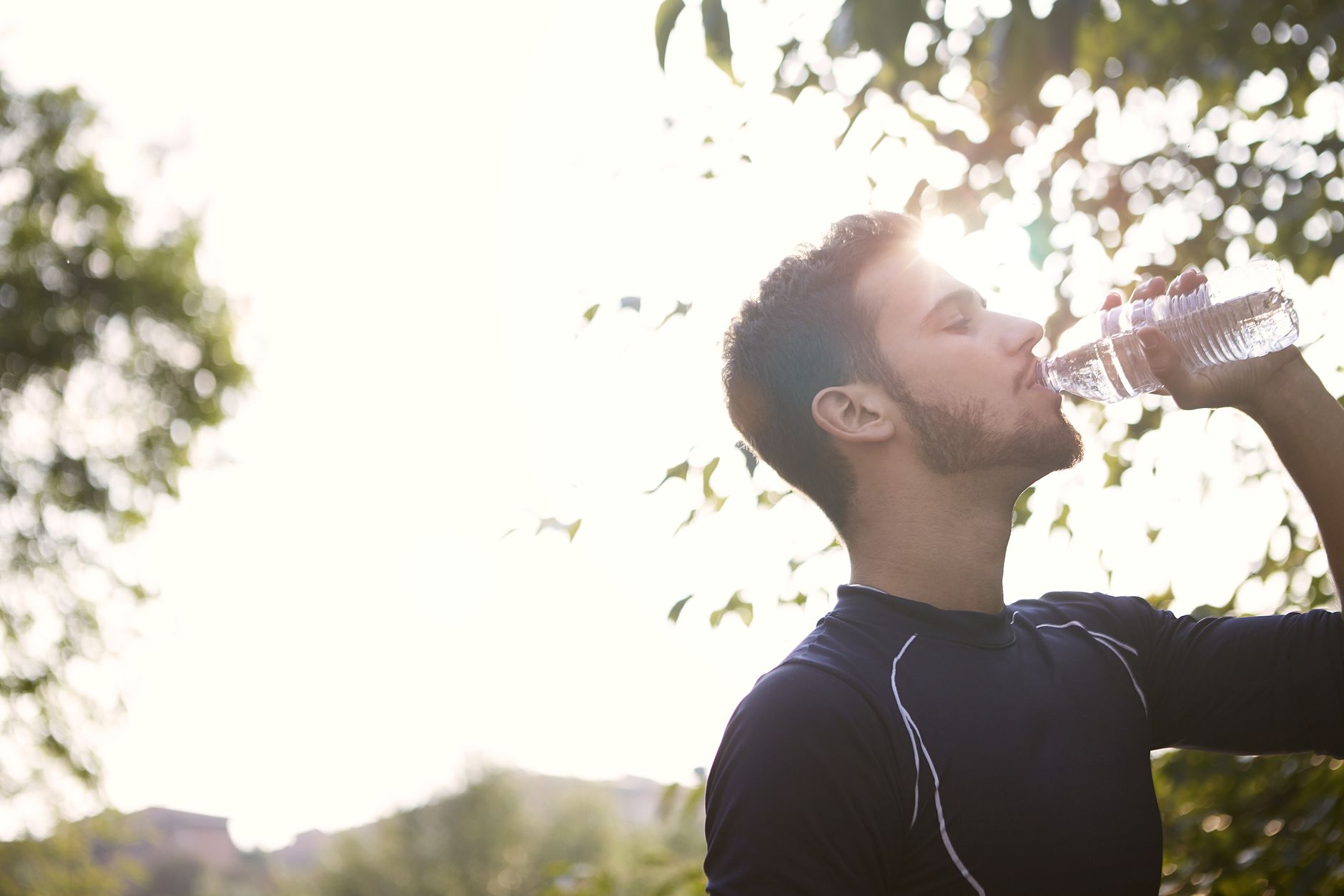
Temperatures in Mitte hit 34°C on three consecutive days last week, and the Charité's emergency department on Charitéplatz reported a measurable uptick in heat-related presentations, mostly dehydration, mostly preventable. The city's urban heat island effect means the dense blocks around Alexanderplatz and Hackescher Markt consistently run 3-5°C hotter than the surrounding Brandenburg countryside, according to data published by the Berlin Senate Department for the Environment in June 2026. That gap matters when you're calculating how much you actually need to drink.
The standard European Food Safety Authority guideline, 2 litres per day for women, 2.5 litres for men, was modelled on temperate conditions, not a concrete-and-glass neighbourhood baking under a July anticyclone. Once ambient temperature climbs above 30°C and you add even moderate movement, those numbers climb fast. A 30-minute cycle along Karl-Liebknecht-Strasse at noon can push sweat loss to roughly 500-800ml on its own, depending on your pace and the humidity. Electrolytes lost in that sweat, chiefly sodium and potassium, are not replaced by plain water alone, which is a detail many people skip entirely.
What Mitte's wellness scene is actually recommending
Two spots along the Rosenthaler Strasse corridor have become informal reference points for the neighbourhood's hydration conversation this summer. Vitalquelle, the nutrition consultation and supplement shop at the northern end of Alte Schönhauser Strasse, has been running informal in-store workshops on electrolyte balance every Saturday through July, free to attend, no booking required. A few hundred metres away, the Wasserbar collective in the Hackesches Höfe market courtyard stocks 11 different mineral waters sourced from German and Central European springs, rated by their mineral content on a chalkboard behind the counter. Staff there have been directing regulars toward higher-magnesium options on the hottest days, since magnesium depletion accelerates muscle cramping and fatigue.
The Volkspark Friedrichshain running club, which meets every Tuesday and Thursday morning at 7am at the park's main fountain, circulates a laminated one-pager on summer hydration that its coaches put together with input from a sports medicine practice in Prenzlauer Berg. The rule of thumb: drink 500ml in the two hours before exercise, then roughly 200ml every 20 minutes during activity. After finishing, weigh yourself if you can, every kilogram lost is approximately one litre of fluid to replace.
The drink itself matters more than people admit
Plain tap water is fine, Berlin's tap water is among the hardest in Germany, with a calcium content typically above 100mg per litre, which contributes meaningfully to daily mineral intake. The city's Berliner Wasserbetriebe publishes annual quality reports confirming the figures; the 2025 report, released in March, showed nitrate levels well within EU safe limits at all Mitte distribution points. Tap water costs residents roughly €2.07 per cubic metre, making it comfortably the cheapest hydration option available.
The more contested territory is what to drink beyond water. Sports drinks marketed in the Rewe on Torstrasse typically contain 6-8g of sugar per 100ml alongside their electrolytes, useful if you've been working hard for over an hour, but unnecessary and calorically significant if you're drinking them at your desk. Coconut water, now stocked widely across Mitte's organic grocery chains including Bio Company on Weinbergsweg, offers a lower-sugar electrolyte hit with around 250mg of potassium per 250ml serving. Cold-brew herbal teas, particularly hibiscus and rosehip, both available loose from the weekend farmers' market at Kollwitzplatz, carry genuine antioxidant content and rehydrate as effectively as plain water.
Alcohol and high-caffeine drinks remain diuretics regardless of how much cold brew coffee the neighbourhood runs on. One standard drink increases urine output enough to require an extra 100-150ml of water to compensate, a worthwhile calculation given how many Mitte residents refuel at Roamers or Bonanza Coffee on a Friday afternoon before cycling home in the heat.
The practical baseline for July: aim for at minimum 3 litres on any day the temperature exceeds 28°C, shift some of that intake to mineral-rich options, and treat thirst as a lag indicator rather than an early warning system. By the time you feel thirsty, you're already slightly behind. Anyone with kidney conditions, heart conditions or specific medication regimes should check targets with their GP or a sports medicine specialist before adjusting significantly, the figures above are population-level guidance, not personal prescriptions.