wellness
Mitte Schools Integrate Mindfulness Programs Into Daily Curriculum for Students
From the Spree riverbank to primary classrooms on Neue Schönhauser Strasse, Mitte's schools are quietly building a case for meditation as standard curriculum.
How we reported this
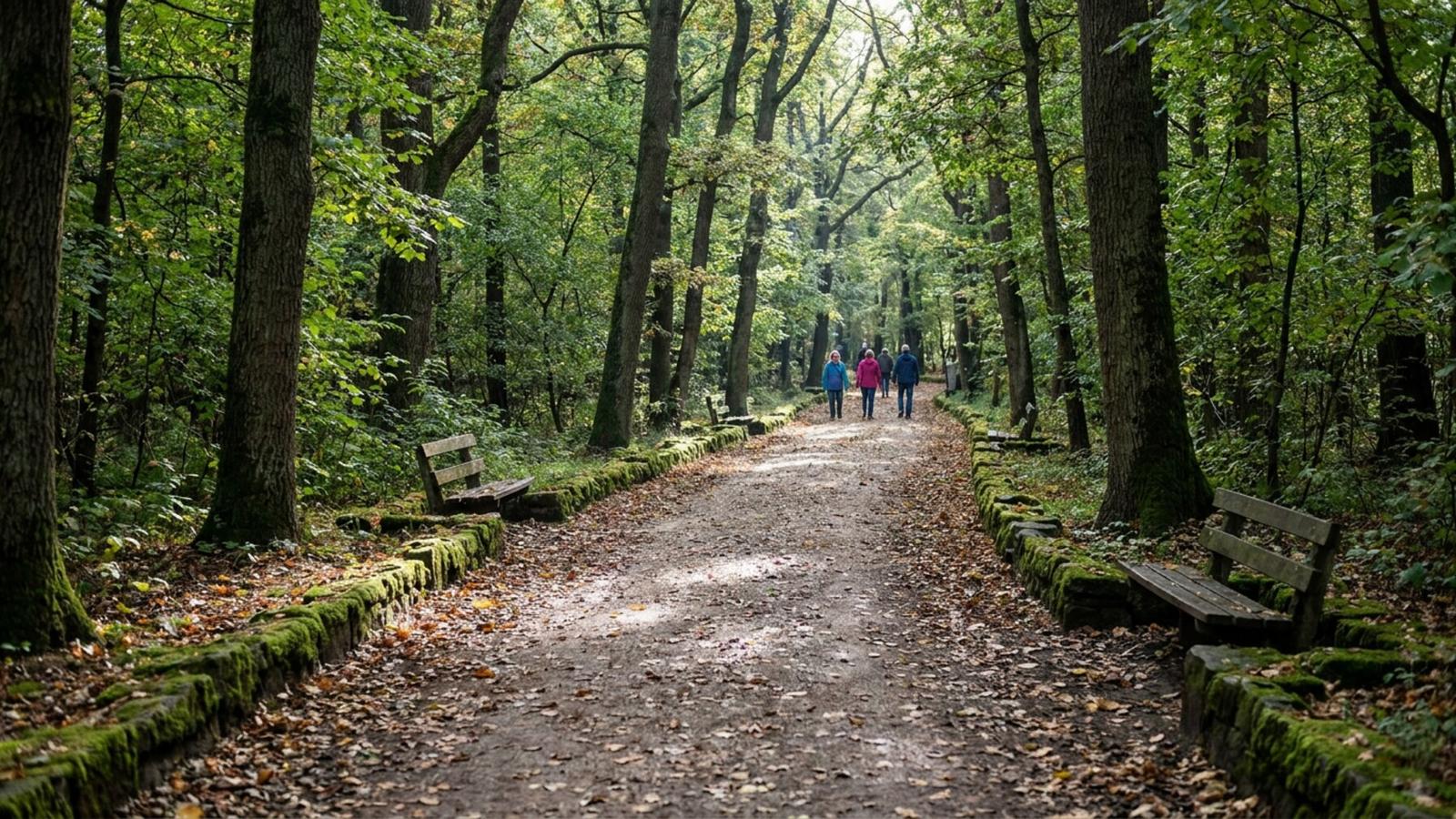
Eleven primary schools in Bezirk Mitte now run some form of structured mindfulness program during the 2025-26 academic year, up from four just three years ago. The shift is small in absolute numbers but sharp in trajectory, and parents, teachers and youth welfare organisations across the district are paying attention.
The timing is not accidental. Youth mental health referrals to Jugendamt Mitte rose by 18 percent between 2023 and 2025, according to district welfare reports published in March 2026. Waiting times at the Charité's child and adolescent psychiatry outpatient unit on Charitéplatz 1 stretch to fourteen weeks for non-urgent cases. Schools, caught between demand and a threadbare clinical system, are reaching for tools they can actually deploy in a Tuesday morning double period.
What is already running in the district
The most established program in the neighbourhood is Achtsamkeit in der Schule, a Berlin-wide initiative coordinated by the non-profit Schule im Aufbruch, which has its regional coordination office on Linienstrasse. The program trains class teachers, not external therapists, in a ten-week breathing and body-awareness curriculum adapted from the evidence-based .b (dot-be) framework developed at Oxford University's Mindfulness Centre. Three Mitte Grundschulen, including the Birken-Grundschule near the Nordbahnhof, completed the full teacher training cohort in February 2026.
Separately, the Berliner Kontemplationszentrum, based a short walk from Alexanderplatz on Karl-Marx-Allee, runs an outreach strand called Stille Pause, Quiet Break, aimed specifically at Year 4 and Year 5 pupils. Sessions last twenty minutes and are offered free to state schools; the organisation covers costs through a mix of Senate für Bildung funding and private donations. Since September 2024, Stille Pause has reached roughly 340 children across six Mitte schools.
Secondary provision is thinner. The Otto-von-Guericke-Gymnasium on Reinickendorfer Strasse introduced optional lunchtime meditation sessions in the school year starting August 2025, facilitated by a trained staff member rather than an outside provider. Attendance fluctuates, somewhere between twelve and thirty students on any given Wednesday, but the school reports no cost to families and no formal referral required.
What the evidence actually says
The research base has strengthened considerably since the early 2010s, when school mindfulness programs were largely running on optimism and anecdote. A 2023 meta-analysis published in JAMA Pediatrics, drawing on data from 33 randomised controlled trials across Europe and North America, found that school-based mindfulness interventions produced a statistically significant reduction in self-reported anxiety symptoms in children aged 8 to 14, with effect sizes described as moderate. Critics note that many studies rely on self-report measures and short follow-up periods, and the field's leading voices have consistently called for longer longitudinal data.
Cost is a real variable. The full Achtsamkeit in der Schule teacher training package runs to approximately €1,200 per school for an initial cohort of six teachers, a figure that sits entirely within discretionary school budgets under Berlin's Schulgesetz provisions but still requires a principal willing to prioritise it over competing demands. The Stille Pause outreach model sidesteps that problem for now, though the Berliner Kontemplationszentrum has publicly flagged that its current funding cycle ends in December 2026.
For parents wanting to explore what their child's school offers, the first practical step is checking whether the school is listed on the Schule im Aufbruch partnership directory, updated quarterly at schule-im-aufbruch.de. The Jugendamt Mitte also maintains a referral list of youth-focused mindfulness providers, available by calling the Familienzentrum on Strelitzer Strasse during office hours. For children already experiencing significant anxiety or attention difficulties, a conversation with the school's Beratungslehrer, the designated pastoral counsellor, is the right starting point, and from there a referral to a local Kinder- und Jugendlichenpsychotherapeut can be initiated. Programs in the classroom are not a clinical substitute; they are, at their best, a foundation built before one is needed.