wellness
Beyond the TV Tower: Mitte's Hidden Nature Walks Locals Love But Tourists Miss
While visitors crowd the Spree riverbanks and Lustgarten, longtime Mitte residents are slipping away to quieter green corridors that rarely make the guidebooks.
How we reported this
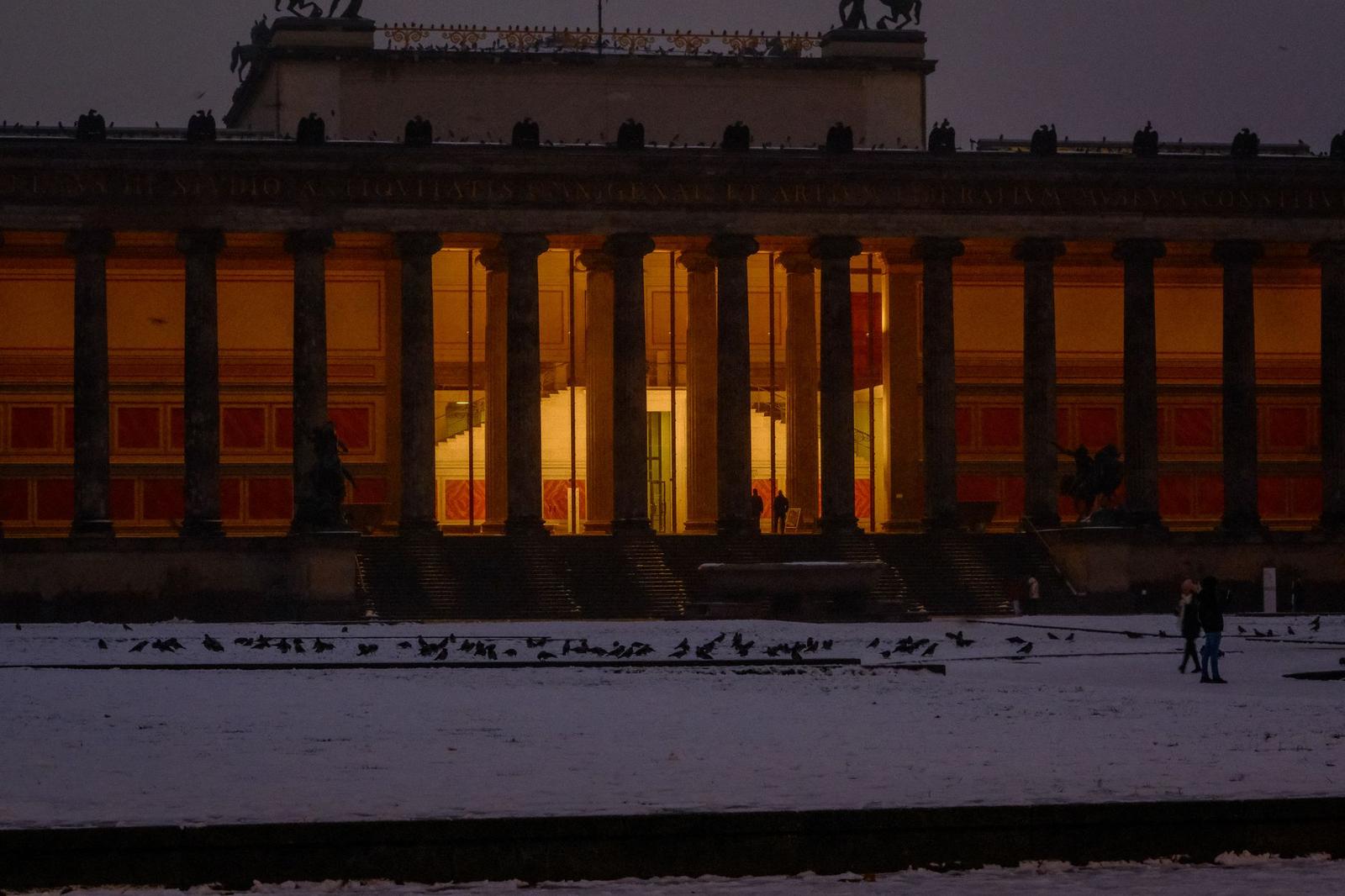
The crowds thin fast once you step off Unter den Linden. In Mitte, Berlin's most tourist-saturated district, there exists a parallel geography of green space, bark-covered paths, and canal-side tracks that regulars have been quietly claiming for years, largely unbothered by the selfie-stick traffic clustered around Museumsinsel.
With urban heat events becoming more frequent across European capitals and the cost of gym memberships in Berlin averaging around €40 to €60 per month at mainstream chains, free outdoor fitness has moved from hobby to genuine economic and health priority. The timing matters: July temperatures in central Berlin regularly breach 30°C, and shaded low-impact movement has become a midday staple for residents who work locally or from home.
The Paths Regulars Actually Use
The Invalidenpark, on Invalidenstraße near the Charité hospital campus, is the most obvious example of a space hiding in plain sight. Most tourists walk past it on the way to the Natural History Museum without pausing. Locals know it as a reliable lunchtime circuit, a compact, fountain-anchored green square with mature linden trees that cut afternoon glare significantly. The path around its perimeter runs roughly 400 metres and connects easily toward the Nordhafen canal to the north.
The Nordhafen itself, the old industrial harbour sitting between Mitte and Wedding, is the less-heralded gem. A dirt-and-gravel towpath follows the western bank of the Nordkanal from Nordufer southward, past converted warehouses and moored houseboats, before feeding back toward the Spree. On a Saturday morning it draws a steady stream of joggers, Nordic walkers, and cyclists from the surrounding Gesundbrunnen and Mitte postcodes. The path is uneven in stretches and completely unsigned for fitness purposes, which is precisely why it stays quiet. No vendor kiosks, no hire bikes, no tour groups.
Further south, the strip of green running parallel to Chausseestraße toward the old Hamburger Bahnhof museum backs onto a pocket of planted birch and oak that functions as an informal cool-down corridor. It connects, on foot, to the Humboldthain park boundary in under 15 minutes, itself a significant outdoor fitness resource with a flak tower hill that local running groups use for elevation training.
What the Evidence Says About Outdoor Exercise in Dense Urban Zones
There is solid public health reasoning behind why Mitte residents are gravitating toward these unlisted corridors. Research published in the International Journal of Environmental Research and Public Health found that access to green space within 300 metres of home was associated with measurably lower self-reported stress scores among urban residents in dense European cities. The Berlin Senate Department for Urban Development has maintained a citywide green space planning strategy since at least 2015 that acknowledges Mitte as one of the districts with the lowest ratio of accessible green space per resident, roughly 6 square metres per capita, compared to Treptow-Köpenick's 65 square metres.
That gap explains the local behaviour. When official parks are saturated, people find the unofficial ones.
Several community-led fitness groups operate specifically in these less-mapped corridors. Parkrun Berlin organises a free, timed 5-kilometre run every Saturday morning at 9am in the Tiergarten, technically bordering Mitte, and is open to walkers as well as runners. Registration is free at parkrun.com.de and requires only a printed or digital barcode. For those wanting something more structured in the district itself, Berlin's Volkssport network lists guided nature walks departing from Zinnowitzer Straße on selected Sundays throughout summer.
The practical advice for anyone wanting to access these routes is simple: start at Nordbahnhof S-Bahn station, head north on foot to Nordufer, and pick up the canal path from there. Wear flat shoes, the towpath does not reward sandals in the stretches where the gravel gives way to compacted earth. Early morning, before 8am, is when the path is most cleanly yours. A bottle of water and 45 minutes is enough to complete the full canal loop back toward Chausseestraße.
Mitte's best fitness infrastructure has never been marked on a map. That, for the people who use it most, is exactly the point.