wellness
Protein Sources Beyond Meat: A Local Guide to Neukölln's Plant-Rich Food Scene
From tempeh stalls on Karl-Marx-Straße to lentil-heavy lunch spots in Rixdorf, the district's cooks and shopkeepers are rewriting the protein conversation.
How we reported this
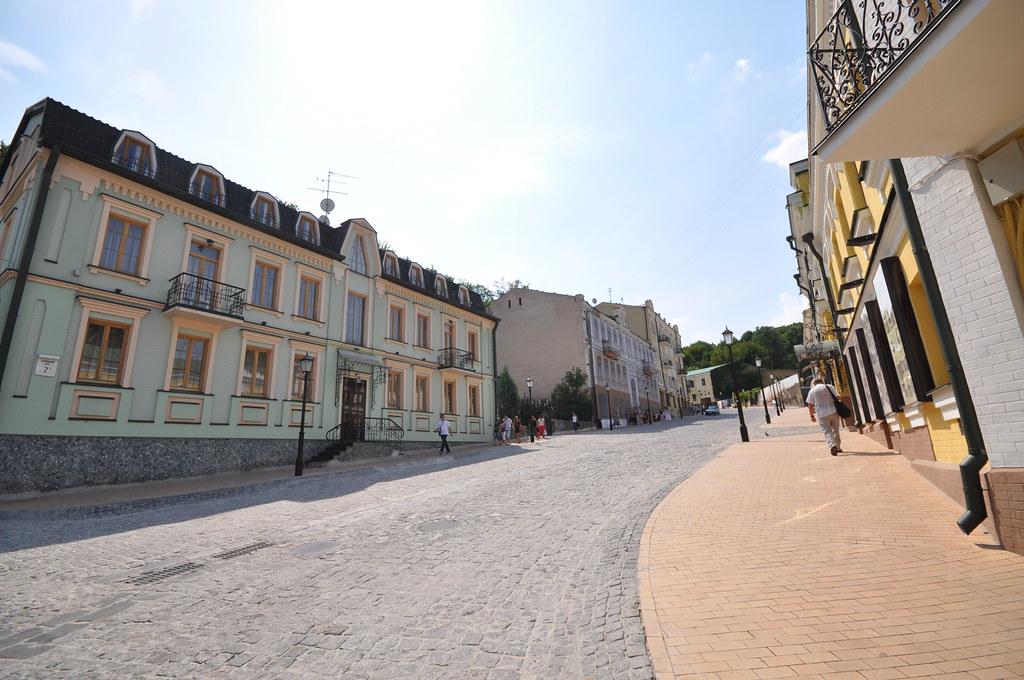
Neukölln residents looking to rethink their protein intake don't need to look far. The district's dense network of Turkish grocers, Lebanese delicatessens, South Asian spice shops and vegan eateries has quietly made it one of Berlin's most practical places to eat well without meat, and the interest is growing fast.
The timing is not accidental. European consumer surveys published in early 2025 showed that roughly 40 percent of Germans under 35 are actively trying to cut back on meat consumption, though not necessarily going fully vegetarian. That middle ground, flexitarian, curious, budget-conscious, is exactly the market that Neukölln's food culture already serves, often without making a fuss about it.
Where to Shop: The Neighbourhood's Protein Pantry
Start on Karl-Marx-Straße. Between Rathaus Neukölln U-Bahn station and the junction with Sonnenallee, at least a dozen shops stock dried legumes in bulk, chickpeas, red and green lentils, white beans, split peas, at prices that consistently undercut the supermarket chains. A one-kilogram bag of green lentils can be found for under €1.50 at several of the Turkish and Arab-run grocers in that stretch. Lentils clock in at roughly 9 grams of protein per 100-gram cooked serving, making them one of the more affordable protein sources per calorie in any Berlin postcode.
Further south, around Richardplatz in Rixdorf, the Saturday farmers' market runs year-round and has included egg producers and artisan tofu vendors for at least the past three seasons. Local tofu, firm, packed in water, made from German-grown soya, sells for around €2.80 for 400 grams and provides approximately 17 grams of protein per 100 grams. It is a consistent presence at the market and a reliable option for anyone who wants a minimally processed animal-free protein with a short supply chain.
Tempeh deserves its own mention. The fermented soya product, denser, nuttier, and higher in protein than tofu at around 19 grams per 100 grams, has moved from niche health food to regular stock item in several shops along Weserstraße, the street that cuts through the northern part of the district into Kreuzberg. Whole Foods rhetoric aside, tempeh's real advantage in a place like Neukölln is its shelf stability when refrigerated and its compatibility with the kind of heavy spicing common across the neighbourhood's Turkish, Arab and South Asian cooking traditions.
Beyond the Shop Floor: Eating Out and Eating Smart
Several of Neukölln's sit-down spots have built menus around plant proteins without announcing it as a lifestyle statement. A number of Lebanese restaurants clustered near Sonnenallee, often called Arab Street by locals, though the official address runs from around the junction with Karl-Marx-Straße toward the Ringbahn, serve ful medames, a slow-cooked broad bean dish that functions as a high-protein breakfast or lunch staple across North Africa and the Levant. A full plate typically costs between €5 and €8 and delivers a protein hit comparable to two eggs.
Eggs themselves remain a practical and economical option. Free-range eggs from Brandenburg farms appear at several Neukölln Wochenmärkte for around €0.45 to €0.60 each, cheaper than most protein bars and nutritionally denser. For vegetarians who include eggs, they remain one of the most complete amino acid profiles available.
One consistent pattern among the district's more nutrition-conscious cooks: combining incomplete proteins. Rice and beans, bread and hummus, lentil soup with a yoghurt swirl, these pairings, common across Middle Eastern and South Asian diets, together cover the full essential amino acid spectrum that any single plant food might miss alone.
The practical advice for anyone starting out is straightforward. Spend one Saturday morning at the Rixdorf market. Pick up firm tofu, a bag of red lentils, and a tub of tahini, sesame paste, which runs around 6 grams of protein per tablespoon and works in everything from salad dressing to marinade. Cross over to Karl-Marx-Straße on the way home for a bag of chickpeas. That haul, costing well under €15, covers the core ingredients for a week of protein-varied, meat-free or meat-reduced eating without requiring a specialist health food shop or a significant shift in cooking habits. Before making major dietary changes, particularly around specific health goals, checking in with a local GP or a registered dietitian in the district is always the sensible next step.