wellness
Prenzlauer Berg Residents Cut Screen Time With Strategic Phone-Free Hours
Prenzlauer Berg's wellness community is quietly abandoning the all-or-nothing approach to screen time, and the results are worth paying attention to.
How we reported this
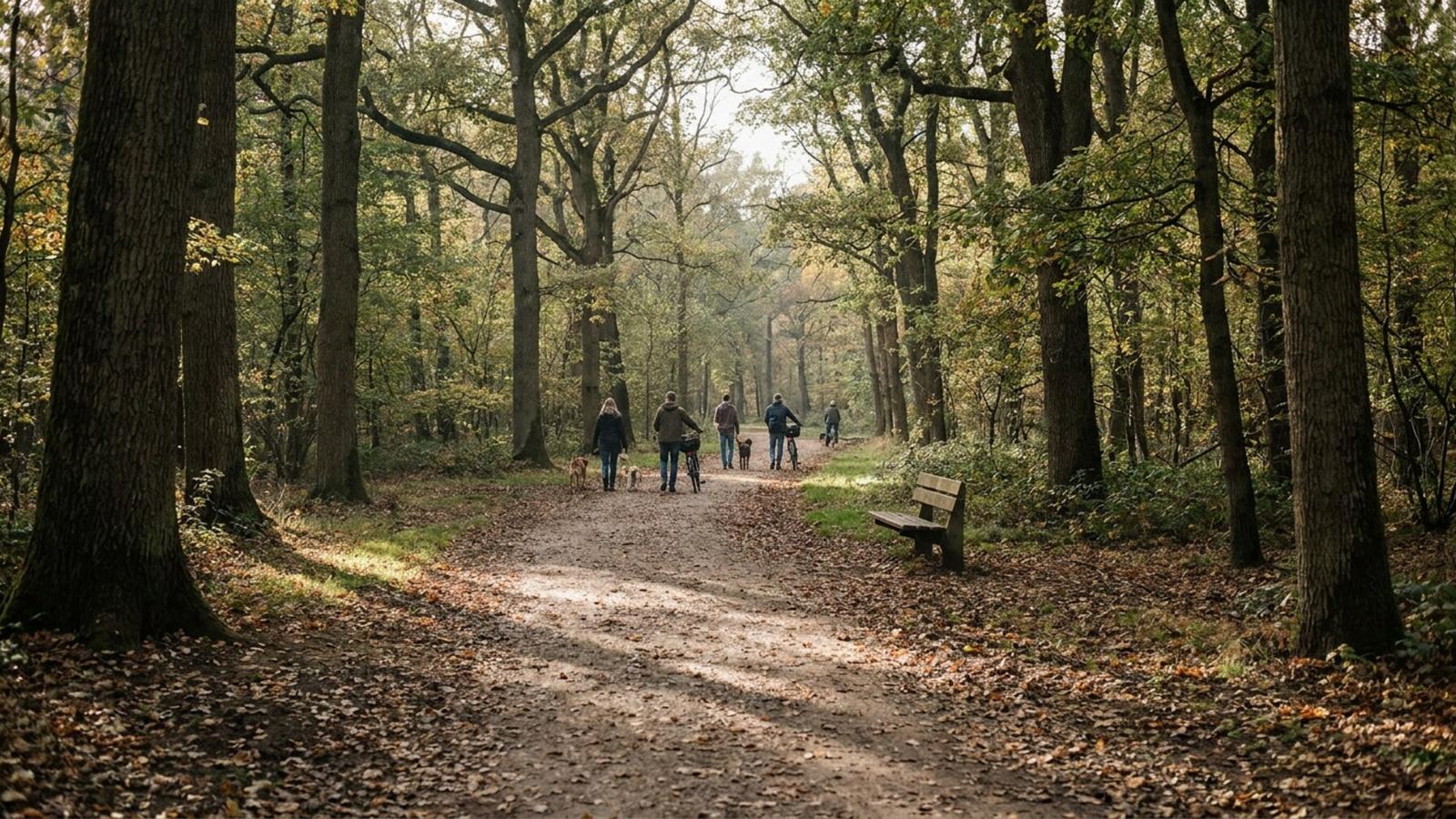
Put the phone down at 9 p.m. That single rule, more than any app blocker or weekend retreat, is the intervention that mental health practitioners in Berlin are now pushing hardest. Not a 30-day detox. Not a silent meditation camp in Brandenburg. Just a locked drawer and a clock.
The timing matters. Across Germany, smartphone usage crept up another 11 minutes per day in 2025, according to figures published by the Bundesverband Digitale Wirtschaft in January 2026, bringing the average adult's daily screen time to just over four hours and twenty minutes. Meanwhile, the DAK-Gesundheit health insurance report released this past spring found that 38 percent of working-age Germans now describe their stress levels as chronically elevated, the highest figure since tracking began in 2018. Screens and stress have become practically synonymous in the clinical literature, and practitioners here are tired of waiting for a policy solution.
In Prenzlauer Berg, a neighbourhood that somehow manages to be both intensely wired and obsessively wellness-conscious, the conversation has sharpened recently. The co-working space Ahoy! Berlin on Storkower Strasse began offering what it calls "analog afternoons" on Thursdays, designated desk blocks from 14:00 to 17:00 where members voluntarily leave phones in a communal box near the entrance. Sign-ups for the July sessions filled within 48 hours of being posted. A few streets over, the community wellness hub Körperwelten Kiez near Helmholtzplatz has been running a six-week "Bildschirmfasten" programme since May, structured around cognitive behavioural techniques adapted for digital overuse. The programme costs €180 for the full six sessions and currently has a waiting list of roughly 25 participants.
Why All-Day Bans Usually Fail
The problem with most detox advice is the word "detox" itself. It implies the phone is a toxin to be purged, which sets people up for a binary, either they're clean or they've failed. Clinical psychologists working with stress and burnout increasingly prefer the phrase "structured unavailability," and the distinction is meaningful. The goal isn't abstinence; it's boundary-setting that the nervous system can actually learn to trust.
Research published in the Journal of Experimental Psychology back in 2023 found that even a 60-minute phone-free period in the evening, practised consistently for two weeks, measurably reduced cortisol levels and improved self-reported sleep quality. The key word is "consistently." Sporadic digital weekends produce temporary relief; predictable daily windows produce neurological change. Your brain stops scanning for the phone once it genuinely believes the phone isn't coming.
Practically speaking, the windows that work best tend to cluster around three transition points: the first 30 minutes after waking, the hour before sleep, and any meal taken with other people. Residents of Prenzlauer Berg who want a local anchor for that last habit might consider the weekly communal lunch run by the Kulturkaufhaus Dussmann pop-up at Kollwitzplatz on Saturdays, where tables are deliberately small and the informal norm is phones-away. It's low-stakes and oddly effective.
Building the Habit Without the Guilt
The practical mechanics are simple enough. Start with one window, not three. Tell one other person, a flatmate, a colleague, whoever uses Telegram to reach you at 23:00 on a Tuesday. Set your phone to grayscale mode during the window, which reduces dopamine reward without requiring willpower. And critically, replace the phone with something that uses your hands: cooking, drawing, a walk along the Mauerpark fence line at dusk.
The Volkshochschule Pankow, whose main building sits on Antonplatz in Weißensee and whose programmes serve much of Prenzlauer Berg, added a digital wellness module to its autumn 2026 evening course catalogue, starting September 8. The eight-session course costs €64 and covers everything from notification architecture to sleep hygiene. Registration opens July 15.
None of this is revolutionary. The phone-free hour works because it is boring and small and repeatable. That's the point. Anyone seeking personalised guidance on stress management or sleep difficulties should speak with their Hausarzt or a licensed psychotherapist before making significant changes to daily routines.