wellness
Protein Sources Beyond Meat: A Local Guide to Eating Well in Prenzlauer Berg
From Kollwitzmarkt tempeh vendors to Helmholtzplatz refill shops, the neighbourhood's plant-forward food scene is making it easier than ever to hit your protein targets without touching a schnitzel.
Listen in English · 4 min
How we reported this
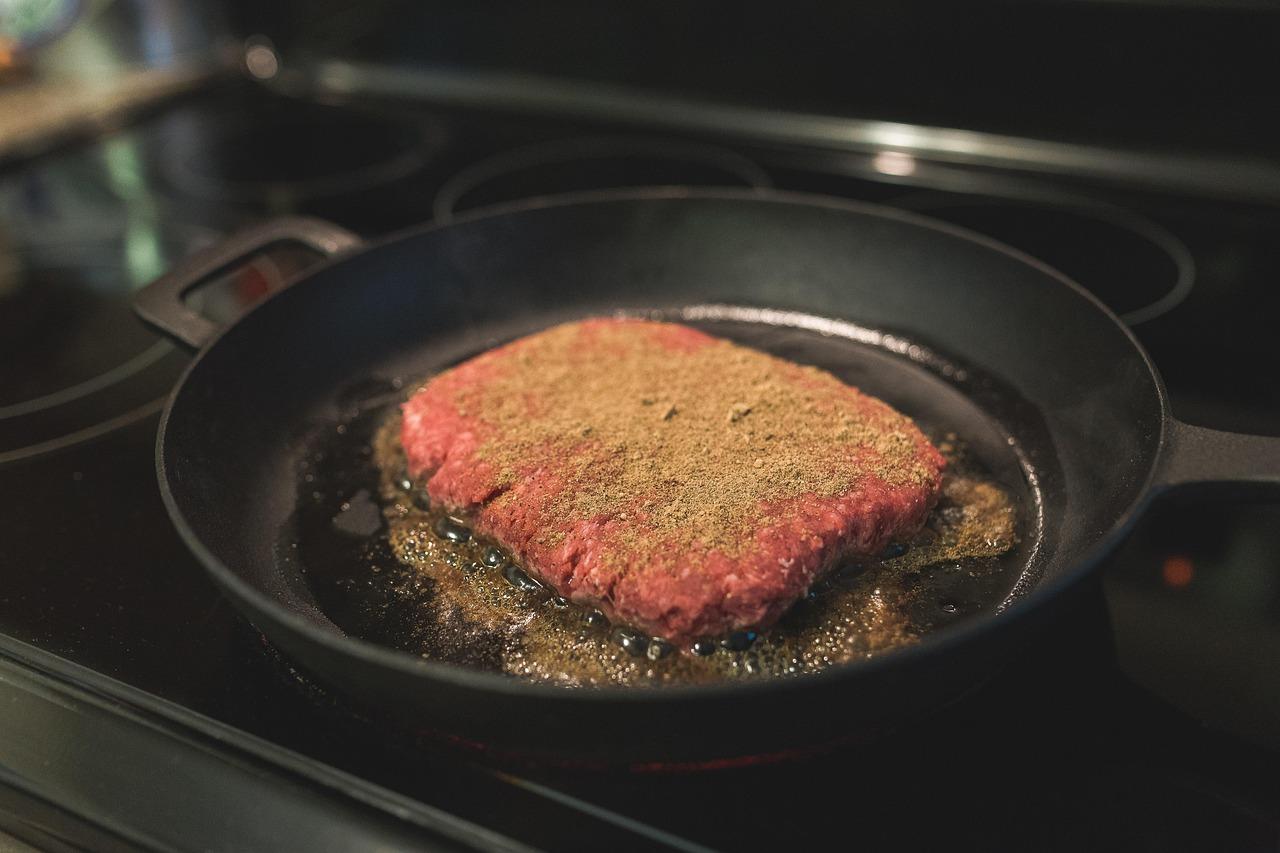
Prenzlauer Berg has quietly become one of Berlin's most reliable testing grounds for alternative protein. Walk through the Kollwitzmarkt on any Saturday morning and you'll count at least six stalls selling products, fermented soy, hemp seeds, seitan blocks, that barely registered on local shopping lists a decade ago. The shift is real, and it's accelerating.
Why now? Across Germany, per-capita meat consumption dropped to 52 kilograms in 2024, the lowest figure recorded since national reunification, according to the Federal Information Centre for Agriculture. That number keeps falling. Prenzlauer Berg, with its high density of young families, freelancers, and health-conscious long-term residents, tends to front-run these national trends by about two years. The neighbourhood's food infrastructure has caught up accordingly.
Where to Shop and What to Buy
Alnatura on Stargarder Straße stocks one of the more comprehensive ambient protein sections in the district. A 250-gram block of organic firm tofu runs €1.89; a 200-gram pack of Taifun smoked tofu, higher in protein at roughly 15 grams per 100 grams, costs €2.69. Both are reliably in stock mid-week, which matters if you're meal-prepping on a Tuesday. The store also carries Lupinen-Aufschnitt, a lupin-based cold cut that local dietitians have been mentioning more frequently in consultations as an underused legume protein with a genuinely complete amino acid profile.
For fresher options, Bio-Markt Immer on Schönhauser Allee carries rotating stock from small German producers, including a house-brand tempeh made in Brandenburg. Tempeh edges out most other fermented soy products on protein density, around 19 grams per 100 grams, and the fermentation process improves digestibility in ways that plain tofu does not. Staff there can advise on cooking methods, though for personalised dietary planning, a registered nutritionist remains the right call.
Eggs still deserve a mention. They're not plant-based, but they're not meat either, and a six-pack of Demeter-certified free-range eggs from the Kollwitzmarkt typically costs between €2.80 and €3.20. At roughly 13 grams of protein per 100 grams and a near-perfect biological value score of 100 on the standard reference scale, they remain among the most efficient whole-food protein sources available to anyone who isn't strictly vegan.
The Legume Question, and What the Data Shows
Chickpeas, lentils, black beans, these are the unglamorous backbone of plant protein, and Prenzlauer Berg's bulk-goods shop Unverpackt, located on Greifswalder Straße, lets customers buy exactly as much as they need. Red lentils at roughly €3.50 per kilogram deliver about 25 grams of protein per 100 grams dry weight. Pair them with a grain, spelt, rice, even sourdough, and the amino acid profile improves significantly through complementary proteins. This isn't new science; it's been understood since the 1970s, but it consistently gets buried under louder conversations about protein powders and supplements.
Speaking of powders: the sports nutrition category has expanded substantially along Kastanienallee. Two separate supplement shops opened there between January and April 2026. Whey remains the dominant seller, but pea protein isolate, around €28 for 1 kilogram at current retail, has grown its share noticeably. For anyone doing regular exercise at one of the neighbourhood's climbing gyms or yoga studios around Helmholtzplatz, a post-workout pea protein shake alongside a whole-food meal covers the bases without the digestive load some people report from dairy-based products.
The practical takeaway is straightforward. A Prenzlauer Berg resident can build a high-protein, meat-free week by combining Kollwitzmarkt tempeh and eggs, weekday lentil dishes assembled from Unverpackt bulk staples, smoked tofu from Alnatura, and the occasional protein shake from Kastanienallee. Total weekly grocery outlay for protein-specific items need not exceed €25 to €30. If you're managing a specific health condition or athletic goal, a session with a Heilpraktiker or registered Ernährungsberaterin in the district will provide guidance tailored to your situation, no article can substitute for that.