wellness
Schöneberg Residents Transform Daily Walks Into Mindfulness Practice
Schöneberg's parks and tree-lined streets are already a meditation practice waiting to happen, you just need to know the method.
How we reported this
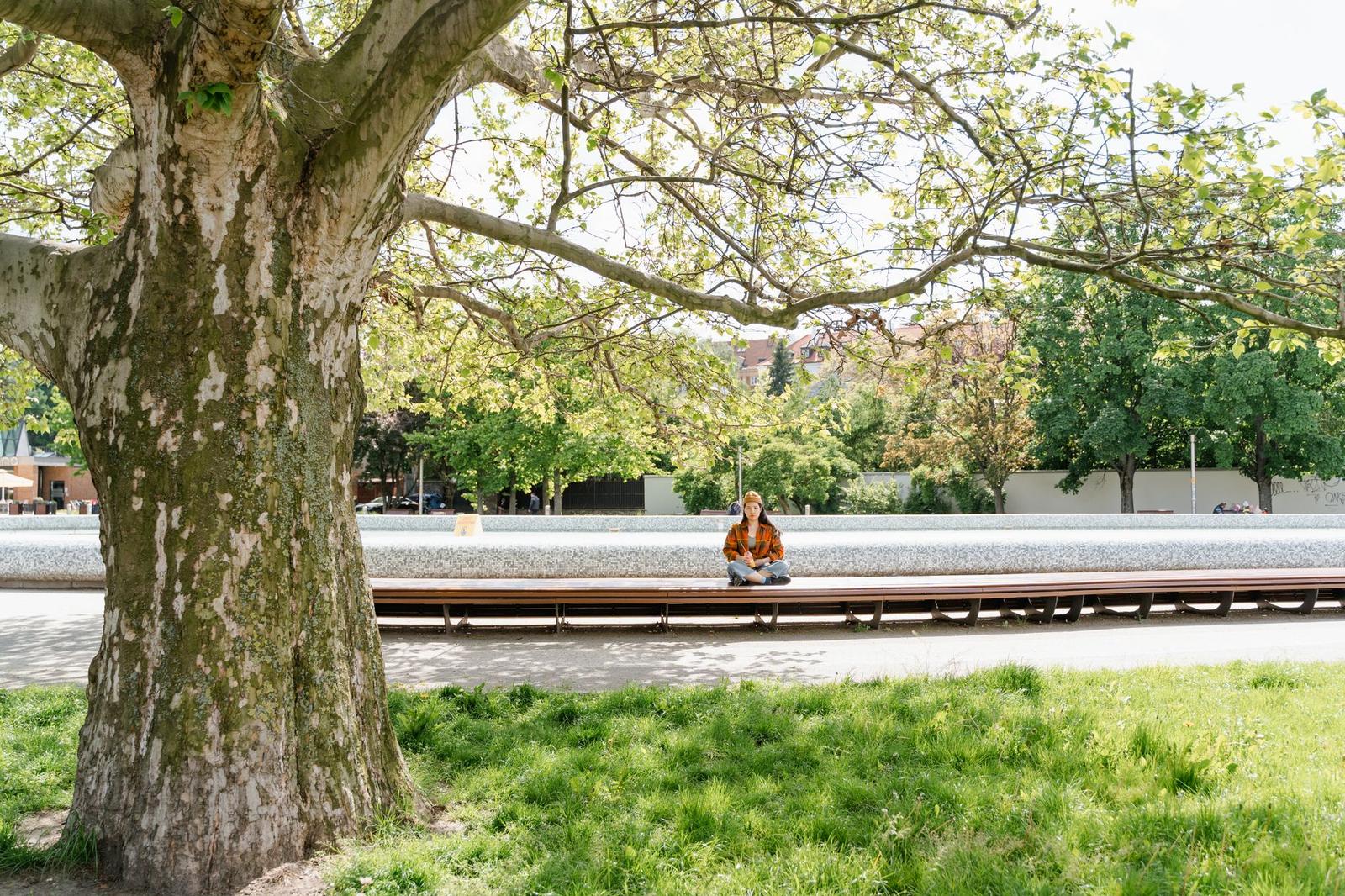
Most people in Schöneberg already walk. The question is whether they're actually there when they do it. Walking meditation, the practice of bringing deliberate, moment-by-moment awareness to each step, breath and sensation, is gaining serious traction among Berlin's wellness community, and practitioners say the neighbourhood's particular geography makes it one of the best places in the city to try it.
The timing makes sense. Hormone and sleep research published in early July 2026 has renewed public interest in non-pharmacological tools for managing stress, anxiety and mood regulation. Walking meditation sits squarely in that conversation. Unlike seated mindfulness, which requires a designated space and a certain amount of discipline to start, walking meditation asks nothing more than a pair of shoes and a route you'd be taking anyway.
Where to walk, and how to actually do it
The Volkspark Wilmersdorf, accessible from Schöneberg via the Beckerstedter Weg entrance, is the go-to recommendation from instructors at the Yoga & Mindfulness Studio on Goltzstraße, which has run a dedicated eight-week walking meditation course since March 2025. The programme costs €180 for the full course, or €28 per drop-in session. Participants meet at the park's southern pond on Saturday mornings at 9 a.m. and spend 45 minutes walking in a loose group, guided by verbal cues and long silences.
Closer to the Winterfeldtplatz, the stretch of Maassenstraße between the market square and Nollendorfplatz has become an informal corridor for solo practitioners, short enough to complete in under ten minutes, busy enough to practise equanimity amid noise and movement, which teachers argue is actually the point. The Zen-Zentrum Berlin, which holds a permanent address on Grunewaldstraße in Schöneberg, incorporates kinhin, the formal Zen walking practice, into its Tuesday evening sessions, which are open to non-members for a €10 donation.
The mechanics are simpler than most people expect. The standard entry method involves slowing your normal walking pace by roughly 30 to 40 percent, dropping your gaze to a point about two metres ahead, and synchronising breath with footfall, typically inhaling over two or three steps, exhaling over the same count. The goal is not to clear the mind. The goal is to notice when it wanders and return attention to the physical act of walking: the heel making contact, the weight rolling forward, the lift of the toe.
The evidence behind the method
A 2023 meta-analysis published in the journal Mindfulness reviewed 27 randomised controlled trials and found that walking meditation produced statistically significant reductions in perceived stress scores compared to unstructured walking, with effect sizes comparable to seated mindfulness programmes. Participants who practised for as few as 12 minutes per session, three times per week, reported measurable improvements in mood within four weeks.
That data matters for a neighbourhood where a significant portion of residents commute on foot or by U-Bahn, meaning the Bülowstraße-to-Nollendorfplatz stretch or the walk from Schöneberg S-Bahnhof toward the Hauptstraße could, in principle, be converted into a daily practice with no additional time investment whatsoever.
For anyone wanting to begin without a class, the Zen-Zentrum Berlin publishes a free German-language introduction to kinhin on its website, and the Goltzstraße studio offers a single free taster walk on the first Sunday of each month, next scheduled for 5 July 2026. The practical advice from instructors is consistent: start with a route you know well, because novelty pulls attention outward. The Rudolph-Wilde-Park, just off Martin-Luther-Straße, works well for this, familiar, relatively flat, and quiet enough on weekday mornings that the birds are louder than the traffic. Begin with ten minutes. Notice the ground. That's enough.