wellness
Schöneberg's Best Farmers Markets and What to Buy Right Now
July is peak season for stone fruit, courgettes and fresh herbs, here's where to find the best of it without leaving the Kiez.
Listen in English · 5 min
How we reported this
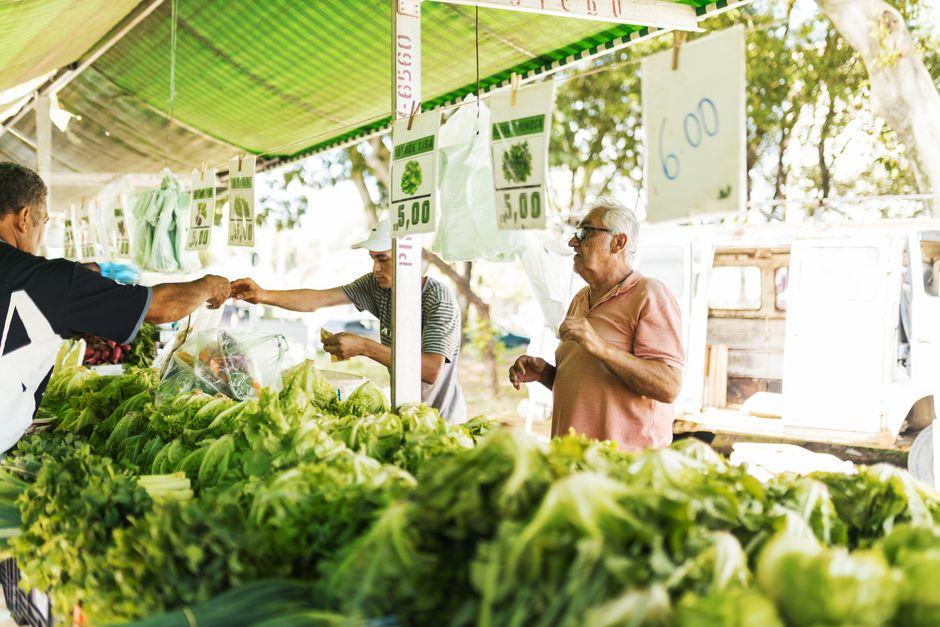
The Winterfeldtmarkt is selling out of cherries before 10 a.m. on Saturdays. That single fact tells you everything about where Schöneberg stands on local food culture in early July 2026: demand for seasonal, regionally sourced produce has never been higher, and the vendors who know their Brandenburg growing calendars are the ones drawing the longest queues on Winterfeldtplatz.
This matters now because German consumer research published by the Bundeszentrale für Ernährung in May 2026 found that 64 percent of urban shoppers under 45 cite provenance, knowing exactly where food was grown, as their primary purchasing criterion, ahead of price. In a neighbourhood where wellness culture is woven into the streets as tightly as the cobblestones, that statistic is easy to believe. Schöneberg residents spent an estimated €4.2 million at weekly outdoor markets in 2025, according to Berlin's Senatsverwaltung für Wirtschaft, a figure the authority expects to climb again this summer.
Where to Shop: Two Markets Worth Your Saturday Morning
The Winterfeldtmarkt, running every Wednesday and Saturday on Winterfeldtplatz between Maassenstraße and Pallasstraße, is the neighbourhood anchor. Around 90 stalls spread across the square. Right now the stalls from Obsthof Meyenburg, a family operation out of the Fläming region south of Berlin, are stacked with Burlat and Regina cherries at roughly €3.50 per 500 grams, alongside the first flat peaches of the season. Buy them. They will be gone by August. The herb vendors clustered near the northern entrance are shifting large quantities of fresh basil, lemon verbena and summer savory, all of which peak in July and work hard in cold salads and grilled vegetable dishes that suit the season.
A shorter walk but often overlooked, the Domäne Dahlem Ökomarkt partners with several Schöneberg-adjacent vendors and maintains a regular satellite presence through its distribution network at the Bio-Markt stalls on Akazienstraße, a quiet street that has quietly become one of the better food destinations in the district. Here you will find Demeter-certified raw milk cheeses from small dairies in the Uckermark, typically priced between €6 and €9 per 200-gram portion, alongside braided bunches of young garlic that will not last much past mid-July.
What's Actually in Season, and What to Skip
July in Brandenburg means courgettes are coming in hard and fast. Vendors at the Winterfeldtmarkt are discounting them by Wednesday afternoon, expect €1.20 to €1.80 per kilo, because supply is outrunning demand. Buy generously. Roast them, ribbon them raw into salads, or make a simple cold soup with yoghurt and mint. The nutritional return is solid: courgettes deliver useful amounts of vitamin C, potassium and folate for virtually no caloric cost.
What to leave on the shelf for now: strawberries. The local season peaked in late June, and anything labelled Erdbeeren that is not clearly marked as coming from a late-harvest variety in Werder or Beelitz is likely trucked in from Spain or Morocco and will disappoint on flavour. Wait two weeks and redirect your budget toward the first blueberries from Mecklenburg-Vorpommern, which should appear at Winterfeldtmarkt around the third week of July.
Tomatoes are on the cusp. Brandenburg greenhouse varieties are available now, look for the Rispentomaten from the Spreewald cooperative stalls, but outdoor field tomatoes, which carry significantly more flavour, will not arrive in quantity until late July or early August. Patience here is repaid.
The practical rule for shopping either market in July: arrive at the Winterfeldtmarkt by 9 a.m. on Saturday if you want first pick of stone fruit, and by 11 a.m. on Wednesday for a calmer experience with similar produce. Bring cash, a majority of stalls still do not accept card payment, and a soft-sided bag rather than a rigid backpack, which damages soft fruit on the walk home through the Kiez. For personalised dietary guidance on how best to incorporate seasonal eating into your routine, a consultation with a registered nutritionist or your Hausarzt in Schöneberg is always the sensible next step.