wellness
Drink Up, Schöneberg: What the Summer Heat Actually Demands of Your Body
With temperatures in Berlin pushing past 34°C this week, the question of how much to drink, and what, is less wellness trend and more basic physiology.
How we reported this
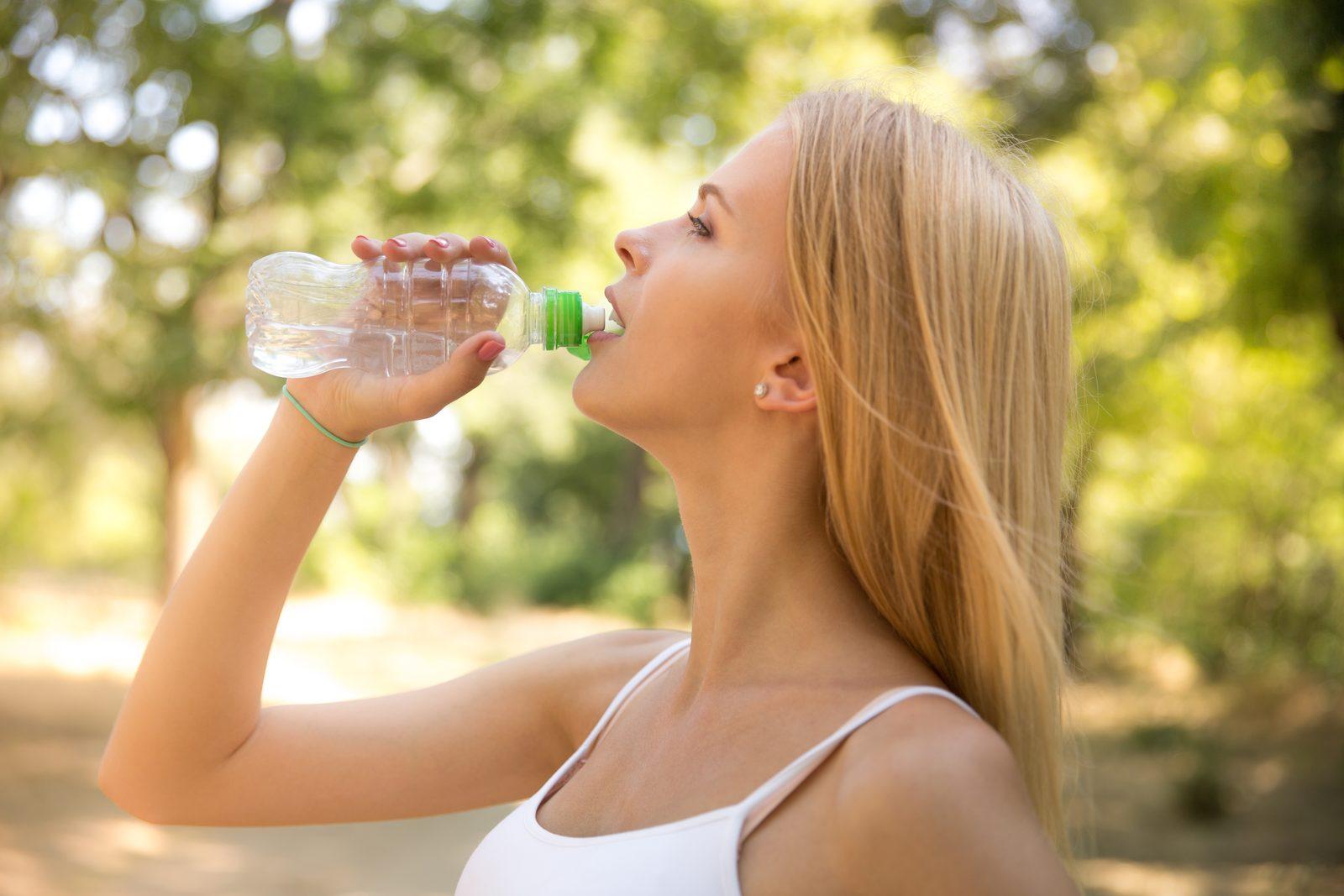
Berlin recorded its fourth consecutive day above 32°C on Thursday, and health practitioners across Schöneberg are reporting a familiar pattern: patients coming in dehydrated, foggy-headed, and surprised that water alone isn't cutting it. The German Weather Service (Deutscher Wetterdienst) has placed Berlin under a heat advisory through the weekend, and the advice from nutritionists is blunt, most adults in the city are entering the heat already under-hydrated.
This matters now because Berlin's climate has shifted in ways that catch people off guard. The city averages roughly 17 days above 30°C per year now, compared to fewer than 10 in the 1990s, according to data from the Freie Universität Berlin's Institut für Meteorologie. Schöneberg sits in a particularly dense urban pocket, hemmed in by Hauptstraße and the concrete corridors around Innsbrucker Platz, where asphalt surface temperatures can run 8 to 12 degrees higher than the official air temperature. That gap matters enormously for anyone cycling to the Winterfeldtmarkt or walking the length of Akazienstraße at midday.
What the Local Wellness Scene Is Actually Recommending
At Vitalhaus Schöneberg on Goltzstraße, nutritional consultants have been running summer hydration workshops since June, sessions that fill up within 48 hours of being posted. The programme recommends a baseline of 35ml of fluid per kilogram of body weight per day under normal conditions, scaling to 45ml or more on days above 30°C. For a 70kg adult, that's roughly 2.4 to 3.2 litres on a hot Berlin day, significantly more than the oft-cited two-litre rule, which was formulated for temperate conditions.
The Reformhaus Biomare on Barbarossastraße stocks electrolyte tablets starting at around €0.80 per tablet, a detail that matters because plain water is only part of the picture. Sweating strips the body of sodium, potassium and magnesium, and replacing fluid without replacing electrolytes, a condition clinically called hyponatremia in its severe form, can actually worsen fatigue and headaches. Coconut water (typically €2.50 to €3.20 per 330ml carton at local health food shops) provides natural potassium, while a pinch of sea salt in a litre of still water is a low-cost alternative that nutritionists have recommended for decades.
Sparkling water, wildly popular in Germany and available everywhere from the REWE on Martin-Luther-Straße to the café terraces along Nollendorfplatz, is equally effective for hydration as still water despite persistent myths to the contrary. A 2019 review published in the American Journal of Clinical Nutrition found no meaningful difference in hydration outcomes between still and sparkling water when consumed in equivalent volumes.
Timing, Temperature and What to Avoid
Timing matters as much as volume. Drinking 500ml first thing in the morning, before coffee, compensates for respiratory and overnight fluid losses and gives the body a head start before the heat builds. Coffee itself, despite its reputation as a diuretic, contributes net fluid at typical consumption levels of one to three cups per day; the mild diuretic effect does not outweigh the water content at moderate intake, according to the European Food Safety Authority's 2011 guidance, which still stands as the reference position.
Alcohol is the real complicating factor. A single 500ml Helles at one of the Biergarten spots near Rudolph-Wilde-Park will trigger measurably increased urine output within 20 minutes, and two drinks on a 33°C evening can push a person into mild dehydration before the night ends. That doesn't mean abstinence, this is Schöneberg, not a clinic, but matching each alcoholic drink with a glass of water is a practical floor, not an aspirational ceiling.
Local nutritionists broadly suggest checking urine colour as a daily calibration tool: pale straw yellow indicates adequate hydration; dark amber is a signal to drink immediately. Children and adults over 65 are at higher risk of heat-related dehydration and should aim for the upper end of fluid recommendations on any day the temperature climbs above 28°C. For personalised guidance specific to your health conditions or medications, some of which affect fluid balance significantly, a consultation with a Hausarzt or registered nutritionist in the district is the right starting point.