wellness
The Sleep Environment Checklist for Better Rest
From blackout blinds to bedroom temperature, here is what Wedding's wellness community says actually works-and what science backs up.
How we reported this
Seven hours. That is the minimum the World Health Organization recommends for adults, yet surveys consistently show that roughly one in three Europeans falls short most nights. In Wedding, where the dense Wilhelminian-era housing stock means many residents share walls, courtyards, and the ambient noise of Müllerstraße trams well past midnight, the gap between recommended sleep and actual sleep is a live neighbourhood problem-not a statistic from somewhere else.
Hormonal health, chronic stress, and the blurring of work and leisure have all pushed sleep back into the public conversation this summer. Researchers tracking insomnia trends across Berlin reported in a June 2026 Charité Hospital bulletin that stress-related sleep disruption has risen by roughly 18 percent among urban adults since 2023, with inner-city districts showing the steepest climb. Wedding sits squarely in that picture. The neighbourhood's mix of shift workers, freelancers, young families in the Reinickendorfer Straße corridor, and students near the Beuth Hochschule campus creates a population with wildly varied sleep schedules-and wildly varied environments in which to pursue them.
Start With the Room Itself
Sleep specialists use the phrase "sleep hygiene" to describe the habits and conditions that support rest, but the physical environment is often the easiest place to start and the last place people actually look. A practical checklist breaks down into five categories: light, temperature, sound, scent, and digital devices.
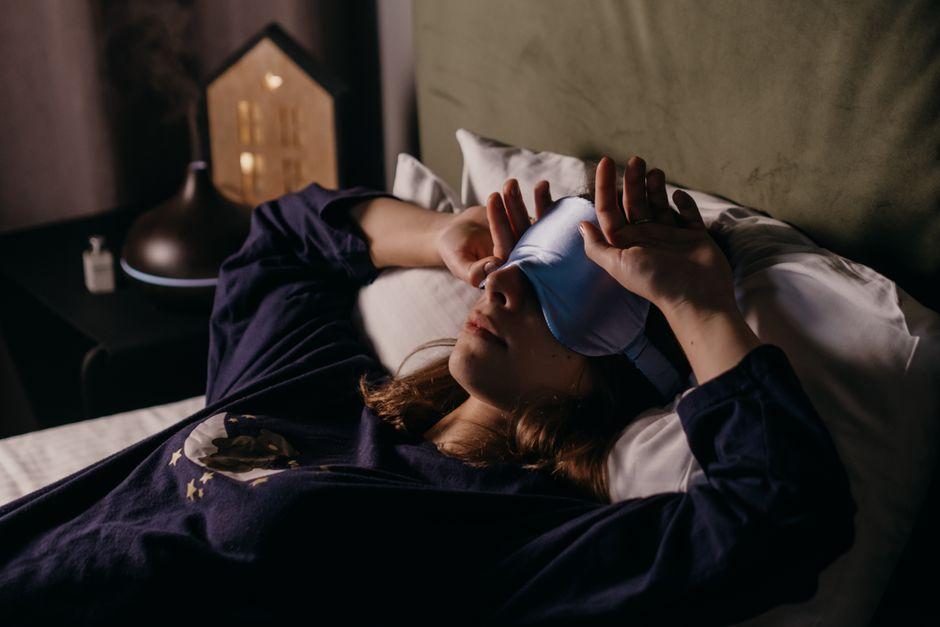
Light is the most powerful circadian signal the brain receives. Blackout curtains or a quality sleep mask are non-negotiable for anyone on a north-facing street where the summer sky barely darkens before 11 p.m. Gesundheitsladen Wedding, the community health shop on Badstraße, stocks a range of silk and foam sleep masks starting at around €14, and staff there have reported noticeably higher demand since early June. For the room itself, warm-spectrum bulbs under 2700K installed two hours before bed measurably reduce cortisol output, according to a 2024 study published in Sleep Medicine Reviews.
Temperature is second on the list. The optimal range for sleep onset sits between 16 and 19 degrees Celsius-cooler than most people keep their living rooms. In older Wedding apartments with single-pane windows and radiators that cannot be modulated precisely, a simple box fan aimed at the ceiling can drop perceived room temperature by two to three degrees without the noise disruption of a full air-conditioning unit. Fans with a decibel rating under 35 dB are now widely stocked at the Conrad Electronics outlet on Müllerstraße.
Sound deserves more than earplugs. The Volkspark Rehberge, less than ten minutes' walk from most of central Wedding, is used by a growing number of residents for evening wind-down walks specifically because urban park soundscapes-rustling leaves, birdsong, low wind-have been shown in multiple studies to lower heart rate more quickly than any curated white-noise app. Foam earplugs rated at 33 SNR remain the gold standard for blocking street noise indoors; wax variants, available at Apotheke am Leopoldplatz for around €6 per pack, suit side sleepers better.
Scent is the most contested item on any checklist. The evidence for lavender as a sleep aid is modest but real: a 2023 meta-analysis in Frontiers in Neuroscience found a statistically significant effect on sleep quality scores in adults using lavender aromatherapy for at least three consecutive nights. A diffuser running for thirty minutes before bed-not through the night-is the protocol most often cited. Avoid anything eucalyptus-based close to bedtime; it activates the nervous system rather than calming it.
Devices, Timing, and the 90-Minute Rule
Digital devices remain the hardest habit to shift. The Schlaf-Gut workshop series, which runs monthly at the Nachbarschaftsheim Wedding on Malplaquetstraße, dedicates an entire session to what facilitators call the 90-minute rule: no screen-based content-phone, laptop, or television-in the 90 minutes before sleep. Participants in the spring 2026 cohort self-reported an average improvement of 22 minutes in sleep onset time after four weeks. The sessions cost €12 per evening and include a printed environment checklist that residents can take home.
The checklist works cumulatively. No single item transforms sleep; the combination does. Start with blackout blinds and a cooler room this weekend, add the evening Rehberge walk next week, and reassess after ten days. Consult a local GP or sleep specialist at one of Wedding's Kassenärztliche Vereinigung-registered practices if problems persist beyond three weeks-chronic insomnia has clinical dimensions that no amount of lavender can address alone.